Agri Business Review Magazine

Sea Buckthorn Farms

Sea buckthorn farms cultivate nutrient-rich berries for food, wellness, cosmetic and specialty ingredient markets. With a focus on crop quality, sustainable cultivation, harvest consistency and product traceability, they support reliable ingredient supply and broader use of sea buckthorn in value-added products.

Farm49: From Ancient Tradition to Colorado Fields
Farm49
From Ancient Tradition to Colorado Fields
Nadia Artman, Steward
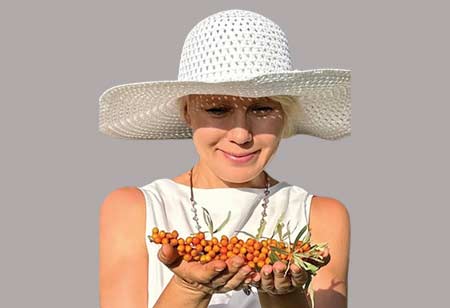
Farm49 is a Colorado farm built around a single crop that remains largely unfamiliar to U.S. consumers despite its long global history—sea buckthorn. Eight years ago, its founder, Nadia Artman, made the deliberate and challenging decision to cultivate sea buckthorn berries locally, knowing it would take four to five years before the trees produced meaningful yields. That long wait, combined with the demands of meticulous, manual harvesting, made the venture a high-risk agricultural undertaking. Through sustained cultivation and steady community engagement, Farm49 has introduced this hardy, nutrient-rich berry to the U.S. market.

From Soil to Value: Sea Buckthorn Farming

Sea buckthorn farming has emerged as a distinct agricultural practice that combines ecological adaptability with strong market relevance. Cultivation systems increasingly focus on aligning natural growing characteristics with structured farm management to support reliable yields and consistent quality. The integration of sustainability principles, nutritional value recognition, and diversified end-use applications has positioned sea buckthorn farms as essential contributors to agricultural value chains. Through coordinated production practices and growing alignment with processing and distribution networks, sea buckthorn farming supports resilient supply structures while addressing evolving expectations related to traceability, quality, and long-term land productivity.

Improving Public Health Through Agriculture
Bay State Milling Company
Improving Public Health Through Agriculture
Colleen M. Zammer, Vice President of Varietal Solutions Growth & Corporate Innovation

Bay State Milling is in the business of creating a better food system from the ground up. We mill agricultural crops to create food ingredients, including wheat, oats, chickpeas, millet and many more. Some call these “commodity” ingredients, but our approach has always been a little bit different, creating value and differentiation up and down the value chain for as many participants as possible.

Sea Buckthorn Farms Info

Q1
What Do Top Sea Buckthorn Farms Do?
Sea buckthorn farms cultivate hardy berry-producing shrubs known for their bright fruit, thorny branches and demanding harvest conditions. Top Sea Buckthorn Farms focus on crop health, soil care, pruning, ripeness timing and careful picking so berries reach consumers, processors or specialty food brands in usable condition. Poor handling can bruise fruit quickly, which can reduce quality before it ever reaches a buyer.
Q2
What Products and Services Are Connected to Sea Buckthorn Farming?
Sea buckthorn farming may involve fresh berries, frozen fruit, juice, oils, dried ingredients, teas, extracts and value-added foods. Some farms also support education, agritourism or direct farm sales when the crop is still unfamiliar to local consumers. Top Sea Buckthorn Farms usually need a clear post-harvest plan because fresh berries are delicate, seasonal and often better suited to freezing or processing than long-distance fresh distribution.
Q3
Why Is Demand Growing for Sea Buckthorn Farms?
Demand is tied to interest in nutrient-dense fruit, specialty crops, regenerative agriculture and locally grown ingredients. Buyers are also looking beyond commodity berries toward crops with distinctive flavor, wellness appeal and product versatility. Top Sea Buckthorn Farms benefit when consumers, food makers and farm retailers understand how the berry can be used in everyday products rather than treated as a novelty.
Q4
How Are Top Sea Buckthorn Farms Selected?
Selection should look at cultivation practices, berry quality, harvest methods, plant health, traceability, product consistency and how well the farm handles perishability. A realistic review might compare berries from the same harvest window, check how quickly they are cooled or frozen and ask how the farm manages thorns, debris and plant damage during picking. Top Sea Buckthorn Farms stand out through steady farming discipline, not just attractive branding.
Q5
What Value Do Sea Buckthorn Farms Create for Buyers and Communities?
A well-run sea buckthorn farm can give consumers access to a distinctive crop while giving food producers a source of berries, juice or ingredients with a recognizable story. For farm communities, specialty crops can support diversification, local sales and more resilient land use. Top Sea Buckthorn Farms create value when they reduce waste, protect crop quality and make it easier for people to use the fruit without confusion.
Q6
What Role Do Innovation and Farming Expertise Play in Sea Buckthorn Farming?
Expertise matters because sea buckthorn is not a simple pick-and-pack crop. Farmers must understand varieties, male-to-female plant balance, pruning, irrigation, harvest timing, thorn management and post-harvest storage. Innovation may appear in better freezing methods, small-batch processing, soil monitoring, direct-to-consumer sales or new product formats. Top Sea Buckthorn Farms use technology and practical judgment to turn a difficult crop into a dependable specialty agriculture category.