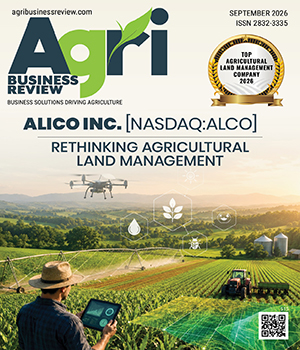
Agricultural land management is about how acreage is used, rather than simply how much land is owned. In Florida, where weather, development pressure and changing agricultural economics reshape the value of a property, landowners must make decisions that balance income, productivity and long-term use.
Alico Inc. [NASDAQ:ALCO]responds to these conditions by managing its land portfolio according to the different agricultural, environmental and commercial opportunities each property offers. Its current strategy reflects a significant shift toward diversified land use, leasing and resource management, with the broader objective of creating long-term value from its land portfolio.
A Portfolio Approach
Alico’s assets include agricultural lands, conservation interests and natural resources, alongside opportunities for strategic real estate investment. Rather than managing its holdings as a single operating base, Alico evaluates properties according to their primary use and potential. This approach allows the company to identify revenue opportunities based on each property's characteristics and potential uses.
The company’s business model places greater emphasis on land management activities that can generate revenue without requiring the same production responsibilities across every acre. Its programs include fee-generating or revenue-sharing arrangements involving citrus growers, cattle operators, mining operators, sugarcane producers and sod farming operations.
Such arrangements allow different landowners to put productive acreage to work while Alico continues to manage the broader land portfolio. By combining its expertise in agricultural utilization with leasing and resource opportunities, the company has created multiple avenues for generating revenue while maintaining productive use of its land.
Strategy Meets Flexibility
Alico differentiates its approach by taking a closer view of the strategic value of each property. Its goals include monetizing underproductive assets, pursuing land or easement sales, developing creative land uses, and managing natural resources and conservation interests. Its operational framework recognizes that productive land does not have to generate value perpetually through a single agricultural activity.
Rather than tying value creation to one crop or operating model, Alico evaluates land as part of a broader asset portfolio and seeks to optimize the current income and longer-term potential of its holdings. Following the completion of new lease agreements in January 2026, Alico achieved approximately 97% utilization of its roughly 32,500 farmable agricultural acres. That represented approximately 89% of its total 46,000 agricultural acres.
This flexibility also reflects the ground realities of managing land at scale. A large land portfolio can contain acreage with very different characteristics, economic prospects and environmental considerations. Alico’s stated emphasis on conservation and natural resource management adds another layer to those decisions. Its holdings include wildlife management activities and conservation interests alongside agricultural and commercial opportunities. That combination allows Alico to assess land through multiple lenses, including current income, resource potential, productive uses and future development possibilities.
From Acreage to Value
Alico also uses selected land sales to unlock capital while retaining a substantial base of productive agricultural acreage. Leasing is another part of the strategy. Rather than using every acre directly for production, the company works with producers and ranchers through agricultural, grazing and farming arrangements that support continued utilization of its farmable land.
-
Instead of trying to fit every acre into the traditional economic structure, Alico combines farming with leasing, conservation, natural resources and selective development.
This strategy creates a pathway for agricultural land to participate in Florida’s changing development landscape. The company has identified targeted real estate development as part of its longer-term strategy while maintaining substantial agricultural holdings. One such example is acquiring local approval in April 2026 for the East Village component of Corkscrew Grove through local entitlements and federal permitting for future highest, best-use real estate conversion.
The project illustrates the broader principle behind its transformation. It highlights that land can serve different purposes over time and responsible management requires evaluating those purposes together rather than treating agricultural production, conservation and development as isolated decisions.
What makes Alico’s position notable is the discipline behind that transition. The company is not treating land management as a single service or a narrow agricultural activity. Instead, it applies portfolio management principles to its physical land, weighing current productivity against alternative uses and using transactions, leases and resource management to generate recurring and sustainable revenue with the appropriate balance of risk and reward.
That approach becomes particularly important in a market where traditional agricultural economics can shift quickly. Disease, storms, commodity conditions and population growth can impact the value equation. A diversified land strategy gives Alico multiple ways to respond as those conditions change.
Decades of experience in citrus have given the company a deep understanding of farming, but today, it looks at land through a much wider lens. Instead of trying to fit every acre into the traditional economic structure, Alico combines farming with leasing, conservation, natural resources and selective development. This flexibility allows the company to evaluate each property according to the purpose it is best suited for while maintaining its focus on responsible land stewardship.
For Alico, the central objective of land management is to develop creative solutions that enhance the value of a diversified land portfolio and support long-term shareholder value. Its transition from a predominantly citrus-oriented operation toward diversified land management shows how an established agricultural land owner can respond when market conditions demand a constant shift in operational tactics. These efforts have earned Alico recognition as the Top Agricultural Land Management Company 2026, reflecting its ability to manage agricultural land with a balance of productivity, flexibility and long-term value creation.


![Alico Inc. [NASDAQ:ALCO]](/company_logos/Untitled-6-ma0y.jpg "Alico Inc. [NASDAQ:ALCO]")