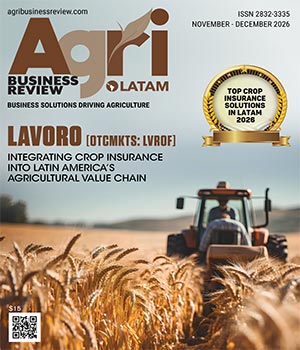
Agricultural risk rarely remains confined to the field. Weather disruptions, crop disease, input decisions and shifting commodity markets can affect a grower’s financial position long before harvest. Managing these pressures requires more than access to agricultural supplies. Farmers also need technical guidance and financial tools that help them prepare for uncertainty.
Lavoro [OTCMKTS: LVROF] addresses these interconnected needs through an agricultural retail model that combines crop inputs, agronomic support and insurance solutions offered through partnerships with established insurers.
A Broader Approach to Agricultural Services
Lavoro’s agricultural inputs distribution business serves farmers across Latin America, with operations in Brazil, Colombia and Uruguay. Its portfolio spans crop protection products, seeds, fertilizers and specialty inputs, alongside agronomic guidance and financial arrangements. Insurance complements this offering through partnerships with established providers. Rather than underwriting policies itself, Lavoro connects farmers with relevant insurance solutions through its existing agricultural network.
This distribution model creates opportunities to discuss financial protection alongside the practical decisions farmers make throughout the growing season. Lavoro’s technical sales representatives work directly with producers, assessing input requirements and advising on choices at different stages of crop production. These conversations can also address operational vulnerabilities and financial risks that may threaten seasonal returns. Insurance consequently becomes part of a broader discussion about crop management, production planning and farm resilience rather than an isolated transaction.
Agricultural purchasing also requires farmers to coordinate input needs with planting schedules, projected yields and available working capital. In Brazil, Lavoro offers barter arrangements through which producers can purchase agricultural inputs against future grain or oilseed deliveries. This approach links input procurement to anticipated production and provides an alternative way to structure seasonal purchases. However, it does not eliminate the financial consequences of disappointing yields or unfavorable market conditions. Insurance may address specified risks, while technical advice helps farmers make informed operational decisions.
Matching Coverage and Payment Options to Farm Needs
Lavoro’s insurance offering includes cost insurance, multi-risk production insurance and named-risk policies. Depending on the product and policy terms, coverage may address eligible losses associated with adverse weather, including drought, frost, excessive rainfall and hail. The company lists coverage for crops ranging from soybeans and corn to wheat, rice, sugarcane, fruits and vegetables. This variety allows insurance discussions to reflect differences in production systems, crop requirements and the risks individual growers face.
Payment flexibility further connects insurance with the financial realities of farming. Lavoro states that agricultural insurance can be arranged through partner insurers using payment options that include crop-term arrangements, barter and cash. Barter may be particularly relevant when future grain deliveries already form part of a producer’s financing arrangements. By offering different payment structures, the business gives farmers ways to consider insurance alongside other seasonal commitments. Their suitability, however, depends on individual circumstances, eligibility requirements and the terms established by the insurer.
The distribution network is important because growers often make several interconnected decisions before planting. A familiar agricultural retail contact can provide a starting point for discussing inputs, technical requirements and available insurance options. Bringing these services together may simplify the process of exploring protection while planning production. Nevertheless, access to an insurance product does not mean every farmer receives the same coverage. Insurers determine policy conditions, exclusions, deductibles and eligible claims, making it essential for producers to understand the protection they are purchasing.
Lavoro’s wider interest in agronomic knowledge also informs this approach. The company has described a network of technical sales representatives who advise farmers on input and crop choices. It has also announced a project with ag-tech firm Pattern Ag involving soil metagenomics and digital agronomy. The initiative was intended to use DNA sequencing, soil analysis and software to assess soil deficiencies and crop-related risks. Such capabilities illustrate how agricultural information may support more informed production decisions, although agronomic insights and insurance serve different purposes.
Understanding field conditions can help producers identify vulnerabilities and plan their operations, while insurance policy terms determine which losses may qualify for compensation. Agronomic advice cannot replace insurance, just as insurance cannot substitute for sound crop management. Lavoro’s opportunity lies in helping customers navigate both areas through established relationships that already encompass seasonal planning, input selection and production requirements.
Translating Insurance Access Into Practical Risk Protection
Consider a farmer preparing to plant soybeans or maize. Before the season begins, the producer must select suitable inputs, arrange financing and consider the possibility of adverse weather. Lavoro’s model brings several relevant services into this decision-making process, combining technical guidance with access to insurance policies issued by partner insurers. Depending on the policy, a farmer may be able to protect eligible production costs or obtain coverage for specified losses. The value lies in coordinating these considerations, not in eliminating the uncertainties inherent in agriculture.
Different farms may require different forms of protection. A grower seeking cover for defined weather events may consider a named-risk policy, while another may evaluate multi-risk production insurance. Cost insurance may address a different set of financial concerns, subject to the product’s terms. Comparing these options requires attention to covered events, exclusions, deductibles and claim conditions. The availability of multiple products gives farmers a basis for considering alternatives, but choosing suitable protection requires understanding how each policy applies to their circumstances.
Ultimately, Lavoro’s approach connects agricultural inputs, advisory services, financing arrangements and insurance access within an established retail relationship. These elements support different aspects of farm planning, from selecting products for the growing season to considering how specified risks could affect financial outcomes. The model does not guarantee a successful harvest or remove exposure to market volatility. Its value depends on relevant advice, appropriate coverage and farmers’ understanding of their contractual obligations.
Lavoro’s recognition as Top Crop Insurance Solutions in LATAM 2026 highlights this partnership-based approach to agricultural risk management. By connecting growers with insurance options through its agricultural inputs network, the company brings financial protection into conversations that already shape production decisions. Its distinguishing features include a range of listed insurance products, flexible payment arrangements and relationships with farmers across key Latin American markets. The longer-term opportunity is to make insurance a more accessible part of informed farm planning, helping producers evaluate their risks while remaining clear about the protection each policy provides.