
Thank you for Subscribing to Agri Business Review Weekly Brief
A featured contribution from Leadership Perspectives, a curated forum for agribusiness leaders across the agricultural value chain, nominated by our subscribers and vetted by the Agri Business Review Editorial Board.

Modern Mushroom Farms, Inc.
Building Stronger Workplaces Through HR Leadership
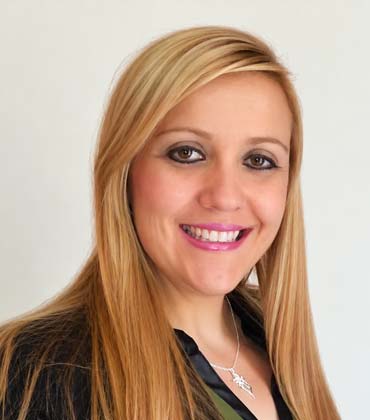
Sylka Joan Quiñones
Balancing Employee Needs with Business Priorities
Over the past 14 years, I have learned that HR extends beyond policies, procedures, and compliance. It requires understanding both people and business operations and finding ways to align their needs.
My experience in manufacturing has shown me how production targets, staffing, and safety requirements directly affect employees and business performance. As Human Resources Director at Modern Mushroom Farms, I work closely with employees and managers on employee relations, performance management, compliance, and workplace safety.
I believe effective HR begins with listening, understanding concerns, and finding practical solutions. When a supervisor considers disciplinary action for poor performance, I first examine whether expectations were clear, training was adequate, and feedback was provided.
Understanding the full situation helps ensure fair, consistent decisions while maintaining accountability and supporting employee improvement.
Ultimately, HR serves as a bridge between business priorities and employee needs. Balancing both perspectives helps resolve challenges, build trust, and create a workplace where people and organizations succeed together.
Turning Employee Feedback into Better HR Practices
I believe employee engagement begins with listening. Organizations must look beyond assumptions to understand why employees leave or become disengaged by examining feedback, turnover, absenteeism, training needs, and everyday workplace experiences.
My approach combines open communication with practical HR processes. Effective onboarding, clear expectations, manager training, and professional development opportunities help build a stronger workforce. Workforce data is equally important for identifying patterns before staffing challenges become urgent.
Ultimately, HR serves as a bridge between business priorities and employee needs. Balancing both perspectives helps resolve challenges, build trust, and create a workplace where people and organizations succeed together.
For example, repeated turnover among new employees requires examining whether job expectations are clear, training is adequate, and supervisors provide sufficient support. Addressing these underlying issues may be more effective than simply recruiting replacements.
Throughout my career, I have contributed to employee development through mentoring and internship programs. I believe investing in internal talent benefits both employees and organizations. Retention is not simply about keeping positions filled; it is about creating a supportive environment where employees feel valued, develop their capabilities, and can envision a future within the organization.
Making Accountability a Shared Leadership Responsibility
For me, accountability and respect must go hand in hand. Employees should understand their responsibilities while feeling heard and treated fairly. Consistency is essential to building trust.
My experience in employee relations includes conducting investigations, evaluating concerns, advising leadership, and helping managers make informed decisions. I believe in gathering facts, listening to everyone involved, maintaining accurate documentation, and following fair, consistent processes rather than allowing assumptions or personal opinions to influence outcomes.
When an employee reports inconsistent treatment by a supervisor, I take the concern seriously, conduct an objective review, and assess the available evidence before recommending appropriate action. The goal is not to take sides but to understand the situation and determine a fair resolution.
Accountability also begins with leadership. HR must coach managers when necessary because their actions shape workplace culture. Trust develops when employees see that expectations apply consistently and concerns are handled professionally.
Integrating Safety and Compliance into Daily Work
I view compliance, safety, and employee well-being as interconnected responsibilities. Policies only make a difference when employees understand and apply them in their daily work.
As Chair of the Safety Committee, I lead my company's safety program and have completed OSHA 511 and OSHA 501 Trainer courses. These experiences have reinforced my belief that workplace safety requires active participation, ongoing training, and proactive hazard prevention.
When an employee reports an equipment hazard or unsafe practice, I ensure the concern is evaluated, corrective actions are communicated, and opportunities for additional training or clearer procedures are considered to prevent recurrence.
HR must also ensure that employment decisions, workplace policies, leave requests, accommodations, and corrective actions comply with applicable requirements while maintaining fairness and respect.
Ultimately, safety is more than a compliance obligation; it reflects an organization's commitment to its people. When employees feel comfortable reporting concerns and know their well-being matters, the entire organization benefits.
Connecting Employee Development with Workforce Readiness
One of the most rewarding aspects of HR is helping people grow. I believe leadership development should begin long before promotion, through coaching, training, mentoring, and opportunities to take on new responsibilities.
Throughout my career, I have supported employee training, mentoring and internship initiatives, and coached managers on employee relations and performance management. These experiences have shown me that employees often have untapped potential that emerges when they receive the right guidance and opportunities.
For example, a manufacturing employee with strong technical skills may benefit from a development plan covering communication, conflict resolution, safety responsibilities, and coaching before moving into a supervisory role. Practical opportunities to apply these skills can build confidence and leadership readiness.
Inclusion is equally important. Every employee deserves a fair opportunity to contribute, learn, and advance. HR and business leaders must identify skill gaps, prepare employees for new responsibilities, and help teams adapt to changing operational needs.
Ultimately, leadership success is measured not only by individual achievements but also by the people we develop. Investing in talent today builds a more capable, adaptable, and resilient workforce for tomorrow.
The articles from these contributors are based on their personal expertise and viewpoints, and do not necessarily reflect the opinions of their employers or affiliated organizations.
