
Thank you for Subscribing to Agri Business Review Weekly Brief
A featured contribution from Leadership Perspectives, a curated forum for agribusiness leaders across the agricultural value chain, nominated by our subscribers and vetted by the Agri Business Review Editorial Board.

Federation of WWOOF
From Screen To Soil: Connecting People To The Land
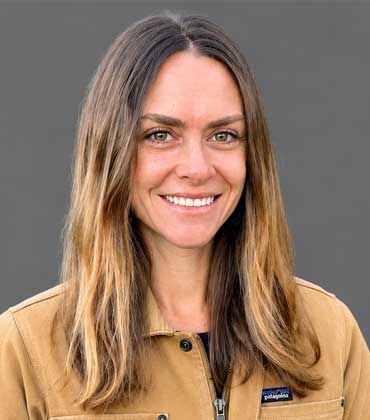
Tori Fetrow
Experience Makes the Strongest Case
A lot of people care about where their food comes from but don't understand what goes into growing it, or how they can get involved in a hands-on way in their local community.
At WWOOF-USA, we connect people with more than 1,000 organic farms across the country, where anyone can learn about sustainable agriculture and help on the farm. It’s one thing to tell people why organic farming matters, we help people get their hands dirty and go experience it.
For example, we constantly share stories of WWOOFers (what we call people who visit farms) learning everything from composting and seed saving to caring for livestock and growing their own food. We also highlight the farmers who are passing along these skills and helping inspire the next generation of growers. Sharing these personal experiences make the benefits of spending time on a farm much more tangible.
Farm Stories Can Change Career Paths
For us, the most powerful stories are personal and authentic. We love sharing the experiences of WWOOFers and host farmers in their own words, whether that's through short videos, photos, testimonials or blog posts.
One of my favorite types of stories to share is how WWOOFing can completely change someone's path. There are a lot of WWOOFers who started out wanting to travel or spend more time outdoors and ended up pursuing careers in agriculture or sustainability.
For example, one of our Future Farmer Program alumni went WWOOFing on a tropical flower farm, then became a wedding floral designer and recently started her own floral design business in Hawaii.
We also love featuring the relationships that develop between WWOOFers and their hosts. Sometimes those connections turn into lasting mentorships or friendships that continue long after a farm visit ends.
I think people connect most with stories that show the human side of farming: the challenges, relationships, learning experiences and small unexpected everyday moments. It doesn't have to be polished or professionally produced to make an impact and inspire someone to give it a try.
“I am always looking to our community for inspiration. A WWOOFer's story about discovering a passion for growing food or a host farmer's perspective on mentoring young people is far more compelling than a traditional advertisement.”
Answer Questions Before Visitors Commit
Digital outreach helps bridge the gap between being interested in sustainable agriculture and getting involved. Social media, email campaigns, webinars are all ways that give people an opportunity to discover experiences like WWOOF they might not otherwise know exist.
At WWOOF-USA, we use these channels to introduce people to WWOOFing, answer questions and show what life on an organic farm can look like. We regularly host free intro webinars where people can learn how WWOOF works, what to expect during a farm visit, how to find a farm that’s a good fit and ask questions directly to staff.
We've also been experimenting with more targeted outreach to college students. Through our Internship Program, student ambassadors give presentations, host campus events and share their personal WWOOF experiences with their peers. It's a great example of combining digital outreach with personal connections to reach new audiences.
Teaching What Classrooms Often Miss
One thing we try to communicate at WWOOF is that farming is about so much more than producing food. It's also about education, cultural exchange, mentorship and connecting people with the land.
Our host network includes everything from small family farms and urban gardens to larger diversified production farms and educational homesteads. We consistently highlight this diversity and show that sustainable agriculture doesn't have to look just one way.
We've also surveyed our WWOOF community to better understand the long-term impact of these experiences. 69% said they learned things they never would have in a traditional learning environment, while 75% described their WWOOF experience as life changing.
We challenge the idea that farming is only for people who grew up in agriculture. There are so many ways to get involved, whether someone wants to become a farmer, grow food at home, or just better understand where their food comes from.
Leave the Screen, Meet the Farmer
My advice would be to get out from behind your computer and spend time with the people you're trying to reach. Visit farms, talk to farmers, ask questions and learn about their challenges.
I've worked at WWOOF-USA for 15 years, and the most valuable insights have come directly from conversations with farmers and WWOOFers.
I am always looking to our community for inspiration. A WWOOFer's story about discovering a passion for growing food or a host farmer's perspective on mentoring young people is far more compelling than a traditional advertisement.
We also stay focused on the bigger picture. Are we helping more people discover sustainable agriculture? Are we supporting farmers? Are we inspiring people to pursue careers in farming? Are we transforming lives in a positive way?
The articles from these contributors are based on their personal expertise and viewpoints, and do not necessarily reflect the opinions of their employers or affiliated organizations.
