


Agri Business Review Magazine

Fertilizers and Nutrition

NaturaLawn of America: Growing a Family Legacy through Organic-Based Lawn Care
NaturaLawn of America
NaturaLawn of America: Growing a Family Legacy through Organic-Based Lawn Care
Theresa Smith and Jesse, Senior Vice Presidents
NaturaLawn of America was built on a simple belief. Effective lawn care should not compromise the well-being of families, pets or the technicians applying the products. That principle has guided the company since it was founded nearly four decades ago as a family business.

Founder Phil Catron witnessed the impact of traditional lawn care as technicians using traditional chemical applications were becoming sick and customers questioned whether treatments were safe for children and pets. Believing there had to be a better approach to lawn care without putting people, pets or the environment at unnecessary risk, he developed an alternative program centered on safer products. His company did not accept the program, and after he was fired, Catron decided to start his own business. He established NaturaLawn of America to bring that vision to life.

Today, as the second generation prepares to take over the business, that purpose remains unchanged. The same long-term perspective is reflected across the franchise network, with many franchise owners joining the company to build businesses they hope to pass on to future generations.

“Our goal from the get-go was always to have safer products that were going to still provide a good quality product for the homeowner,” says Theresa Smith, Senior Vice President.

A Safer Approach to Lawn Care

Rather than describing its approach as simply organic, NaturaLawn of America uses the term organic-based because lawn care is not always black and white. Although the company’s goal has always been to move towards fully organic products, treatments may be fully organic or organic-based depending on the condition of each lawn. Rather than making broad environmental claims, the company focuses on accurately describing the treatments used for each lawn.

Our goal from the get-go was always to have safer products that were going to still provide a good quality product for the homeowner.

At the same time, when a lawn issue requires treatment, the focus remains on choosing a safer alternative rather than relying on the hard-hitting traditional chemicals used in the industry. The organic-based approach allows the company to transition customers away from traditional materials. Instead of applying treatments across an entire lawn as a matter of routine, technicians treat every lawn as its own ecosystem and apply products only where they are needed.
Ag Biotech: Boosting Yield through Concentrated Biology
Ag Biotech
Ag Biotech: Boosting Yield through Concentrated Biology
Robert Hudak CEO, Tristan Hudak, Director of International Development
Why does nutrient efficiency increasingly depend on making every agricultural input count more?

The future of nutrient efficiency and climate resilience will not be defined by adding more inputs, but by making every input count for more. Ag Biotech has built its operating model around that premise.

Founded in 1992 as a regional agricultural retailer in upstate New York, the company worked directly with orchard producers and distributors and saw how cost, logistics and seasonal variability shaped what could realistically be used in the field. Many high-volume inputs fell short not because they lacked efficacy, but because they were difficult to transport, store and apply consistently.

Those realities shaped a clear design principle. Crop inputs must deliver agronomic performance while remaining compact enough to move, store and apply efficiently across different farming environments.

Today, Ag Biotech delivers ultra-concentrated biological crop inputs engineered to operate at a fraction of conventional application rates. The same formulations serve large commercial operations and smallholder farms in remote regions without reformulation.

How do ultra-concentrated biological inputs improve nutrient efficiency while reducing fertilizer dependence?

That approach is embodied in the company’s core portfolio, led by the biostimulant Bio Shot and the biofertilizer Bio Seed. Rather than relying on volume to offset stress, the formulations work through plant metabolism and soil microbiology, activating the pathways that govern how nutrients are converted into yield. In field trials, including rice trials in the Philippines, growers reduced synthetic nitrogen use by up to 25 percent while maintaining or improving yields.

“Our products allow us to have a real impact on the economics, agronomics and livelihoods of farmers,” says Tristan Hudak, Director of International Development.

That farmer-first orientation continues to guide product development and international expansion.

Engineering Efficiency into Plant and Soil Systems

How do plant metabolism regulators and microbial consortia work together to boost yield?

Bio Shot applies the concentration-driven model at the plant level. Used at approximately two ounces per acre, or about 150 milliliters per hectare, it combines patented brassinosteroids and tricontanol to regulate photosynthesis and plant respiration during critical growth stages.
PhycoTerra<sup>®</sup>: Feeding Microbials for Short-Term Results and Long-Term Farm Health
PhycoTerra®
PhycoTerra®: Feeding Microbials for Short-Term Results and Long-Term Farm Health
Bennet Dixon, President and CEO
Did you know that up to 75% of microbes found in soil are dormant?

Rising global demand, climate volatility, and decades of certain farming practices have strained the soil, reducing biological activity and long-term resilience. Many farmers face the challenge of sustaining yields in land that no longer recovers naturally, placing renewed focus on solutions that restore biological function in the soil. Many existing fixes, however, require them to alter established practices, add complexity or take on additional operational risk.

With yield stability increasingly under pressure, PhycoTerra® operates within a different framework. Its microalgae-based solutions are designed to activate native and added microbial communities, improving nutrient efficiency, stress resilience, and long-term soil health while fitting into existing farming systems. By working at the soil biology level, PhycoTerra strengthens the foundation of fields without adding complexity to day-to-day operations.

Soil microbes, specifically, bacteria and fungi, drive nutrient availability and water retention, making them essential to crop growth and development. Without the right food source, they can’t perform at their best. That’s why farmers feed their most valuable asset - microbes - with PhycoTerra.

“At PhycoTerra, we strongly believe that scientific innovation only matters when it delivers measurable value for farmers in the field,” says Bennet Dixon, President and CEO.

This long-term mindset is reflected in the company’s guiding principle - Farm Forever™ - a commitment to helping farmers build systems that remain productive and profitable across generations rather than optimizing for a single season.

Strategy Built around Soil Strength

PhycoTerra was founded out of an advanced microalgae research and development program, where its parent company Heliae Development, LLC originally focused on biofuels and nutraceutical applications before pivoting fully into agriculture around 2015. Years of strain development, cultivation research, and scale-up experience created a deep technical foundation that now underpins its soil and crop biology solutions. Today, the company maintains a strain bank of more than 600 rigorously screened microalgae strains.
Kentucky Organic Farm and Feed Inc.: Feeding Livestock the way Nature Intended
Kentucky Organic Farm and Feed Inc.
Kentucky Organic Farm and Feed Inc.: Feeding Livestock the way Nature Intended
Melvin Troyer, CEO, Gideon Beiler, Sales Manager
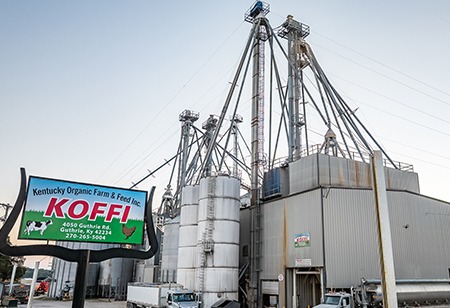
A few old barns, a tractor, a grinder mixer and a couple of bins; that was all a small group of dairy farmers in Todd County, Kentucky, had when they set out to feed their herds with clean, certified organic grain.

In a state with just two organic dairies and no mill to serve them, the odds of finding a reliable organic feed source were slim. But when no supplier could meet their standards, they turned determination into action and built their own small mill from scratch.

That act of resolve grew into Kentucky Organic Farm and Feed Inc. (KOFFI), one of the most trusted names in certified organic feed and fertilizer, serving farms in 25 states.

From the outset, KOFFI operated entirely within the organic system, unlike conventional mills that run both organic and nonorganic lines side by side. No shared equipment or storage meant no cross-contamination and total traceability from the field to the feed bag.

“We produce feeds with clean grain, traceable sourcing and zero compromise on quality,” Melvin Troyer, CEO.

With every grain that passes through its mill, KOFFI carries forward the same spirit of shared learning that defined its earliest days. Long before there was a formal mill, each farmer mixed and bagged feed on their own farm, helping others alongside. One person kept the tractor running to power the auger and move the grain, while another tested the quality, filled bags and sealed them by hand. Every batch of grain produced brought a valuable lesson. They compared notes after each farm, fixing what didn’t work and refining what did, one farm at a time, until the process became second nature for them.

Those efforts built more than a stopgap; they built a movement. When production finally outgrew the original barns, the group bought a former fertilizer site in Guthrie across the road from the original mill, turning a local workaround into the foundation of Kentucky’s organic feed industry.

The Craft in Every Mix

“Feed-making is equal parts science and stewardship, says Gideon Beiler, sales manager. “Every mix that leaves our mill is responsible for the wellbeing of animals and the livelihoods of the people who raise them. That’s not a task we take lightly.”

That belief shows in how every system, from cleaning to storage, is designed to protect the quality of the grain. A licensed nutritionist designs feed for poultry, cattle, swine, goats and sheep, balancing protein levels and ingredients to suit each animal’s nutrition needs, the land they graze and the season they live in.

Success has always depended on the people behind the grain, because KOFFI was built by farmers for farmers, who understand both the science of feed and the strain of making it.

To maintain consistent quality, KOFFI invested in equipment that brings precision to every stage of the production process. A new grain cleaner and dryer, along with half a million bushels of storage capacity, allow the mill to manage harvests year-round and maintain quality from field to feed. Using them, the grain is dried to exact moisture levels, tested for mycotoxins and blended to achieve the desired nutritional level before any bag is filled. Every batch is tested before it moves forward, because control at the front and center is what guarantees performance at the finish.

The result is a traceable feed that performs consistently, a detail farmers notice when animal health and yield remain stable across seasons.

Organic-Based Lawn Care Services Shape Sustainable Landscaping Future

Organic-based lawn care services are gaining attention for their ability to support healthier and more resilient outdoor spaces through naturally derived treatment approaches. Property owners, residential communities, recreational facilities, and commercial landscapes are increasingly incorporating these services to enhance turf quality, strengthen root development, and improve overall lawn appearance. Professional care programs often focus on balanced soil conditions, nutrient enrichment, and long-term turf vitality, helping lawns maintain consistent growth and visual appeal throughout changing seasonal conditions.

As landscape management priorities continue to evolve, organic-based lawn care services are contributing to more refined, well-maintained outdoor environments while supporting lasting lawn performance.

Current Market Trends in Organic-Based Lawn Care Services

Rising interest in customized lawn management programs is shaping the organic-based lawn care services market. Service providers are increasingly offering site-specific treatment plans that consider factors such as lawn usage patterns, regional climate conditions, and soil characteristics. This tailored approach is helping create more precise maintenance strategies while improving service effectiveness for a wide range of properties.

Technology adoption is becoming a notable trend throughout the industry. Lawn care professionals are utilizing digital assessment tools, mapping technologies, and data-driven monitoring systems to evaluate lawn conditions and schedule treatments more efficiently. These advancements are supporting better planning, improved service coordination, and more informed maintenance decisions.

Another significant market trend involves the expansion of subscription-based lawn care programs. Rather than relying on occasional treatments, many property owners are choosing recurring service packages that provide ongoing inspections, seasonal applications, and scheduled maintenance activities. This model is enabling service providers to deliver more consistent care while strengthening long-term customer engagement.

Industry participants are also placing greater emphasis on integrated landscape management solutions. Organic-based lawn care services are increasingly being offered alongside complementary services such as weed management, pest monitoring, aeration, and landscape enhancement programs. This broader service approach is creating greater convenience for clients while allowing providers to deliver more comprehensive outdoor property care solutions.

Consumer Demand and Preferences

Consumer expectations within the organic-based lawn care services market are increasingly centered on transparency and service clarity. Property owners are showing greater interest in understanding treatment schedules, application methods, and expected lawn care outcomes before committing to a service program. This preference is encouraging providers to offer more detailed consultations, progress updates, and educational support throughout the service journey.

Demand is also growing for convenient and flexible service experiences that fit diverse property management needs. Many customers prefer providers that offer adaptable scheduling options, streamlined booking processes, and responsive customer support. Ease of service management has become an important factor influencing purchasing decisions, particularly among busy residential and commercial property stakeholders.

Performance consistency remains a key priority for consumers selecting lawn care solutions. Customers are increasingly seeking service providers capable of delivering dependable results throughout varying weather conditions and seasonal transitions. This preference is driving greater attention toward professional expertise, service reliability, and ongoing property evaluation as important differentiators within the market.

Interest in personalized customer engagement is further shaping consumer preferences. Property owners increasingly value recommendations that align with specific lawn conditions, property objectives, and maintenance expectations. As a result, service providers are focusing on building stronger customer relationships through individualized guidance, tailored service communication, and more consultative lawn care experiences.

Challenges in Organic-Based Lawn Care Services and Their Solutions

Weather variability continues to present a significant challenge for organic-based lawn care service providers. Extended periods of heavy rainfall, drought conditions, or unexpected temperature fluctuations can influence treatment effectiveness and affect lawn development patterns. Service providers are addressing this challenge through adaptive maintenance strategies, climate-responsive application schedules, and continuous field assessments that allow for timely adjustments when conditions change.

Managing persistent weed and pest pressures can also be complex in organic lawn care programs. Certain infestations may require longer treatment periods before visible improvements become apparent, creating challenges for service consistency. To overcome this issue, lawn care professionals are increasingly implementing preventive management techniques, routine property inspections, and targeted treatment plans designed to address concerns before they become more widespread.

Another challenge involves maintaining service quality across properties with varying landscape conditions and maintenance histories. Differences in terrain characteristics, usage intensity, and previous lawn care practices can influence treatment outcomes. Detailed site evaluations, property-specific maintenance protocols, and ongoing performance tracking are helping providers develop more effective management approaches for diverse lawn environments.

Workforce expertise remains an important factor in achieving successful results. Organic lawn care programs often require specialized knowledge, careful application practices, and a thorough understanding of changing lawn conditions. Investment in professional development, technical training, and knowledge-sharing initiatives is helping strengthen service capabilities while improving operational standards throughout the industry.

Continued innovation, stronger service methodologies, and greater industry expertise are expected to support the long-term advancement of organic-based lawn care services. As providers refine operational practices and address evolving maintenance challenges, the industry is well-positioned to deliver increasingly effective and reliable lawn care solutions for a broad range of property types.

Enhancing Crop Resilience: The Role of Biostimulants in Sustainable Agriculture

Biostimulants are a rapidly expanding class of agricultural inputs that enhance plant growth and stress tolerance through physiological and biochemical pathways rather than by directly supplying nutrients. Unlike fertilizers or pesticides, biostimulants work by modulating plant metabolism, improving nutrient use efficiency, stimulating root growth, and activating defense-related processes.

Research and on-farm trials have shown consistent positive effects on yield and quality across a wide range of crops, with cumulative meta-analyses reporting average yield uplifts of around 10 percent when biostimulants are applied under real-world conditions. These gains are particularly meaningful when viewed alongside growing pressures on crop systems from climate variability, soil degradation, and the need to reduce synthetic-input intensity.

Mechanisms That Make Biostimulants Effective

Biostimulants encompass diverse categories — microbial inoculants, humic and fulvic substances, seaweed extracts, protein hydrolysates, and other organic compounds — each acting through distinct but often complementary mechanisms. Microbial biostimulants, including certain beneficial bacteria and fungi, can improve nutrient mineralization and root colonization, enhancing uptake and stress buffering. Humic substances influence soil structure and root architecture, increasing root surface area and water-holding capacity, which in turn improves nutrient acquisition and drought resilience.

Seaweed extracts contain a complex mixture of growth regulators, polysaccharides, and antioxidant compounds that modulate hormonal balances and trigger systemic stress responses. Protein and amino-acid-derived products supply signaling molecules that help plants regulate osmotic balance and cellular repair under salinity or drought stress.

At the cellular level, many biostimulants upregulate antioxidant systems, osmoprotectant synthesis (such as proline and compatible solutes), and heat-shock or stress-related proteins, enabling plants to withstand oxidative damage better and maintain photosynthetic activity during stress episodes. Root system modifications — deeper, more branched roots and increased root hair density — are a recurring response, translating into better water foraging and nutrient capture. These physiological shifts are why biostimulants are most often reported to provide the most significant benefits under suboptimal environmental conditions, where they act as resilience enhancers rather than simple growth stimulators.

Impact of Biostimulants

Quantifying impact requires careful interpretation of trial and meta-analytic data. Broad syntheses of field studies indicate an average yield improvement of around the high single digits to low double digits, with some product categories and specific extracts showing higher effects. For example, aggregated field data have reported overall average yield responses near 18 percent, with particular biostimulant groups (such as certain protein hydrolysates and specific seaweed extracts) producing effects well above that mean in targeted trials.

Humic acid amendments in well-designed field studies have shown average yield increases of around 12 percent, along with substantial improvements in nitrogen use efficiency and plant nutrient uptake — metrics that matter for both productivity and sustainability. Seaweed-derived products have likewise demonstrated consistent benefits in mitigating drought and salinity stress, improving growth metrics and protecting against specific pathogens in multiple crop systems. These empirical results are supplemented by an accelerating pipeline of controlled-environment and on-farm trials that continue to refine optimal application rates, timing, and crop-specific formulations.

Market Insights and Growth Factors

Investment and commercial interest in biostimulants have surged as growers seek tools to boost resilience and align with sustainability goals. Recent market analyses show the sector valued in the low billions and projected to expand rapidly over the next decade, with compound annual growth rates in the low double digits in many forecasts. This commercial momentum reflects both increasing regulatory recognition of distinct biological inputs and growing farmer demand for products that can reduce reliance on high rates of synthetic fertilizers.

However, adoption is constrained by several practical issues: inconsistent product performance across soil types and climates, variable quality among suppliers, regulatory uncertainty in some jurisdictions, and the need for more precise guidance on integration into existing fertility and crop protection programs. Large-scale on-farm trials and demonstration plots remain essential to build grower confidence and to calibrate product use for local conditions.

The next phase of biostimulant development is likely to be driven by more precise formulations, microbial consortia engineered for specific soil-crop contexts, and digital integration that ties product use to predictive analytics. Regulatory frameworks are evolving to distinguish biological inputs from conventional agrochemicals, a shift that should improve market transparency and product quality while protecting growers from misleading claims. Continued investment in independent trials, open datasets on efficacy, and clear metrics for environmental benefits (such as nutrient-use efficiency and reduced greenhouse gas intensity per unit yield) will be essential to move biostimulants from promising supplements to mainstream climate-resilient agronomy.

The science behind biostimulants explains why they can be powerful allies for crop resilience: they recalibrate plant physiology and soil biology to better cope with stress, enhance productivity under adverse conditions, and offer a pathway toward lower-input, more sustainable cropping systems. While variability in response and regulatory complexity remain challenges, rapidly growing market interest and accumulating empirical evidence suggest these products will be central to resilient agricultural strategies moving forward.

Eco-Friendly Biomass Solutions: Microalgae Driving Resource Efficiency

Sustainable microalgae solutions are emerging as a practical response to growing demands for efficient resource utilization, environmental stewardship, and diversified biological production systems. These solutions integrate naturally resilient organisms with engineered cultivation frameworks to generate value across multiple sectors, including agriculture, environmental management, and renewable materials. By transforming sunlight, nutrients, and carbon inputs into high-value biomass, microalgae systems demonstrate how biological innovation can align productivity with sustainability goals. Their expanding adoption reflects a broader shift toward circular production models that emphasize resilience, efficiency, and long-term ecosystem balance.

Ecosystem Shifts Shaping Microalgae Adoption

Sustainable microalgae solutions are gaining strategic relevance as environmental priorities align with resource-efficient production models. High solar availability, expansive land resources, and controlled agricultural zones create favorable conditions for large-scale microalgae cultivation. These biological systems support diverse applications, including nutrient recovery, renewable inputs, soil enhancement, and biomass-based materials. Market interest reflects a growing preference for solutions that balance productivity with ecological responsibility while supporting regional sustainability objectives.

Industry activity increasingly emphasizes integrated microalgae systems that operate within broader environmental and agricultural frameworks. Cultivation models often connect with water reuse infrastructure, enabling microalgae to utilize nutrient-rich effluents while reducing pressure on freshwater sources. This approach reinforces circular resource management principles and supports long-term operational stability in water-constrained environments. As a result, microalgae cultivation is viewed not only as a biological process but also as an infrastructure component contributing to resource optimization.

Demand patterns continue to reflect diversification in end-use applications. Microalgae biomass supports agricultural amendments, specialty feed inputs, renewable materials, and functional ingredients. This diversification reduces reliance on single-market dependency and enhances economic resilience. Production systems increasingly focus on strain selection and cultivation techniques that align biomass characteristics with targeted applications, strengthening value chain alignment.

Technological refinement represents another significant trend shaping the sector. Cultivation platforms emphasize controlled growth environments, efficient light utilization, and precision nutrient delivery. These advancements support consistent biomass output while minimizing waste and energy consumption. The convergence of biological efficiency and operational control positions microalgae systems as adaptable solutions suited to arid and semi-arid production conditions.

Collaboration across research institutions, agricultural stakeholders, and sustainability initiatives further supports market development. Knowledge exchange and pilot deployments accelerate learning cycles and reduce technical uncertainty. This cooperative ecosystem fosters innovation while reinforcing shared objectives related to environmental stewardship, resource efficiency, and economic participation.

Operational Constraints and Adaptive Resolution Strategies

Water resource management presents a central operational challenge within microalgae cultivation systems. Despite microalgae’s adaptability, reliable water inputs remain essential. This challenge is addressed through reclaimed water utilization and closed-loop circulation systems. By integrating cultivation platforms with wastewater treatment processes, microalgae convert nutrient streams into productive inputs, reducing freshwater reliance while improving water quality outcomes.

Temperature variability introduces another operational constraint. Fluctuations in ambient conditions influence growth rates and biomass composition. Adaptive cultivation structures provide effective resolution by moderating exposure and maintaining stable growth parameters. Shaded ponds, enclosed reactors, and controlled airflow systems help stabilize internal environments, preserving productivity and biological integrity.

Economic scalability also requires careful consideration. Initial infrastructure investment and operational complexity can limit adoption if not strategically managed. Cooperative development models address this challenge by distributing costs and technical responsibilities among stakeholders. Shared infrastructure, collective research initiatives, and collaborative financing frameworks reduce individual risk while supporting scalable deployment.

Biomass quality consistency presents an additional challenge due to sensitivity to cultivation conditions. Variations in nutrient availability or environmental exposure can affect product suitability. This issue is resolved through standardized monitoring protocols and data-driven cultivation adjustments. Continuous performance tracking ensures biomass meets application-specific requirements, reinforcing reliability across value chains.

Integration with existing agricultural and industrial systems can introduce logistical and energy alignment challenges. Modular system design provides a practical solution by enabling flexible configuration and phased expansion. Modular platforms adapt to site-specific constraints while maintaining compatibility with surrounding infrastructure, supporting gradual adoption without operational disruption.

Regulatory coordination and operational oversight also require attention when systems intersect with environmental compliance frameworks. Transparent documentation, standardized operating procedures, and traceability mechanisms address this challenge. Structured governance supports consistent environmental performance while enabling efficient monitoring and reporting.

Growth Pathways Delivering Shared Stakeholder Value

Sustainable microalgae solutions present expanding opportunities that deliver benefits across environmental, agricultural, and economic stakeholder groups. Nutrient recovery applications represent a key advancement, as microalgae efficiently absorb excess nutrients from water streams. This process reduces environmental discharge impacts while generating reusable biomass, strengthening circular resource utilization.

Carbon assimilation capabilities further enhance value creation. Through photosynthesis, microalgae capture atmospheric and industrial carbon inputs, contributing to emissions mitigation strategies. Captured carbon becomes embedded within biomass or converted into stable byproducts, supporting environmental objectives while enabling productive reuse pathways.

Agricultural stakeholders benefit from microalgae-derived soil enhancers and biofertilizers that improve soil structure and nutrient availability. These inputs support crop resilience while reducing dependency on synthetic alternatives. Integration into agricultural practices strengthens closed-loop nutrient systems and promotes sustainable land management.

Advancements in automation and digital monitoring continue to improve operational effectiveness. Sensor-based systems provide real-time insights into growth conditions, enabling timely adjustments that enhance yield stability. Automation reduces manual intervention while supporting consistent performance across cultivation cycles, improving predictability for operators and investors.

The Strategic Imperative of GMO-Free Feed in Modern Agriculture

For decades, the agricultural industry operated under a paradigm where efficiency, yield maximization, and cost reduction were the sole determinants of success. However, a new era has emerged—one defined by quality, transparency, and holistic wellness. At the center of this transformation lies a critical, often overlooked component of the food supply chain: animal feed.

While the conversation regarding Genetically Modified Organisms (GMOs) has focused on direct human consumption—produce, snacks, and ingredients—the scrutiny has moved up the supply chain. Today, the feed given to livestock, poultry, and aquaculture is no longer viewed merely as an input; it is recognized as the foundational determinant of the final protein’s quality. The shift toward GMO-free feed is not a fleeting trend but a robust market evolution driven by an alignment of consumer values, biological optimization, and economic strategy.

The Consumer Mandate: Transparency and the Evolution of Trust

The most potent force accelerating the shift toward GMO-free feed is the profound change in consumer mindset. Today’s buyers are highly informed, digitally engaged, and increasingly wary of opaque production practices. They approach food with the principle of “secondary consumption,” recognizing that the quality of what they eat is directly influenced by the diet of the animals that produced it.

A key expression of this shift is the growing emphasis on the “clean label” ideal. Consumers are no longer satisfied with generic claims such as “natural”; instead, they scrutinize sourcing and production details. The preference for GMO-free feed aligns with a broader demand for simplicity, transparency, and minimal intervention. When purchasing premium meat or eggs, buyers expect a product that reflects purity throughout the entire value chain. If animals are raised on genetically engineered crops, that expectation is disrupted, diminishing the perceived integrity of the product.

Trust has consequently become a central currency in the food industry. Third-party verification of GMO-free practices offers an additional layer of assurance, demonstrating that producers adhere to strict segregation and testing requirements. In this context, Kentucky Organic Farm and Feed Inc provides GMO-free feed solutions that reinforce consumer expectations for purity and quality. This serves as a tangible signal that the producer values openness and is committed to meeting elevated consumer standards. GMO-free feed systems require detailed oversight, which supports consumer expectations for visibility into how their food is produced. This transparency reassures those who seek to avoid products associated with genetic modification or the introduction of foreign DNA sequences.

GMO-free feed also aligns with consumers' motivations, who associate genetically modified ingredients with potential allergen risks or uncertain long-term health effects. Even as scientific discussions continue, a segment of the market prioritizes precaution. Producers who adopt GMO-free practices align with this mindset, reinforcing their commitment to mitigating perceived risks and meeting evolving consumer expectations.

Biological Implications: Optimizing Animal Wellness and Performance

There is a growing body of industry observations and veterinary insights indicating that non-GMO feed offers notable advantages in livestock production systems. While much of the public conversation has traditionally emphasized marketing value, biological considerations related to animal health are increasingly influencing adoption. Producers and veterinarians alike are paying closer attention to how feed composition affects performance, well-being, and long-term herd vitality.

A central factor underlying the move toward non-GMO feed is its connection to herbicide exposure. Most genetically modified crops used for animal feed—particularly corn and soy—are engineered to withstand substantial applications of glyphosate-based herbicides. As a result, conventional feed rations often carry measurable residues of these compounds. Transitioning to non-GMO feed significantly reduces the herbicide load entering the animal system, a shift that industry observations suggest may support improved outcomes. Maintaining the integrity of the gut microbiome has become an important area of focus, as high herbicide exposure is believed to influence the balance of beneficial digestive bacteria essential for nutrient absorption. A reduced chemical intake also allows the immune system to operate without the added strain of processing environmental toxins, potentially enhancing resilience and overall health.

Producers who have adopted non-GMO feed frequently report improvements in animal behavior, condition, and performance. Traditional non-GMO hybrids are often selected for their nutritional value rather than traits related solely to pest or herbicide resistance, resulting in feed with a more favorable nutrient profile. This can contribute to stronger feed conversion efficiency and better utilization of dietary energy. Additionally, diets aligned more closely with an animal’s natural consumption patterns may help reduce sub-clinical inflammation, supporting higher activity levels, improved comfort, and greater vitality throughout the production cycle.

Economic Architecture: Leveraging Premium Positioning and Global Access

The consumer-driven and biological considerations establish the underlying motivation, but the economic framework provides the strategic rationale. Transitioning to GMO-free feed serves as a deliberate mechanism for de-commoditization. In an environment where standard protein prices are dictated by global bulk supply, GMO-free products enable producers to break away from commoditized pricing and position themselves within higher-value market segments.

The ability to command a premium is central to this shift. “GMO-Free” remains one of the few product attributes that reliably secures a retail price premium, and this added value extends throughout the supply chain. The segregation of non-GMO grains requires enhanced oversight and dedicated infrastructure, resulting in limited availability compared with conventional alternatives. Consumers who prioritize organic or non-GMO lifestyles also tend to exhibit lower price sensitivity, viewing the higher cost as an investment in health, ethics, and product integrity. For mid-sized producers, GMO-free feed functions as a competitive differentiator, reinforcing a brand identity that emphasizes quality over scale.

Global market access further strengthens the economic justification. While domestic demand plays a role, international markets strongly favor non-GMO production due to strict labeling regulations or prohibitions on specific GMO imports. By adopting GMO-free feed, producers automatically align with the most rigorous global standards, removing regulatory obstacles and enabling participation in high-value export channels that remain closed to conventional biotech-based producers. As global regulatory environments tighten and consumer preferences shift toward “clean eating” trends, establishing a GMO-free supply chain serves as a forward-looking strategy that mitigates future market risks and ensures long-term viability.

The trajectory of the animal feed industry is clear: the era of "don't ask, don't tell" regarding feed composition is ending. GMO-free feed has graduated from a niche requirement for organic farming to a mainstream differentiator for conventional production. By addressing the consumer’s demand for transparency, optimizing animal health through reduced chemical exposure, and securing premium economic positioning, GMO-free feed represents a convergence of ethics and economics. For the industry, this is not merely a change in ingredients; it is a strategic repositioning that prioritizes value, integrity, and long-term sustainability.

Growing Trust in Modern Agriculture
Indigo
Growing Trust in Modern Agriculture
Ashley Bruner, Director of Marketing

From Farm Values to Brand Leadership

What has shaped my approach most is a simple principle: honesty comes first. In agriculture, trust isn’t built overnight; it’s earned over time by your actions. With marketing and communications, we all want to share the positive outcomes with a new product service, but we must also share the challenges. Being real, with people and in all communications builds authentic connections.

A big part of that mindset comes from how I was raised. I grew up on a small farm in Illinois, where my family has been in the same county for nine generations. It's a rural close-knit community; many of my teachers had taught my parents too, and that environment instilled a deep sense of accountability early on. You learn quickly that your word matters. You work hard, you follow through and you represent something bigger than yourself. That foundation has carried into how I approach marketing todaywhether I’m communicating with farmers, partners or stakeholders, it comes down to being real, being consistent and showing up with integrity.

Transparency in the Age of AI

Marketing in agriculture is evolving quickly, especially with the rise of new technologies like AI and the growing focus on sustainability. On the technology side, I think it’s incredibly important for companies to be clear about how they’re using AI. It can be a powerful tool for efficiency and scale, but agriculture is a relationship-driven industry. At the end of the day, it still requires human insight, real experience and a deep understanding of the people were trying to serve. Being transparent about how technology supports, not replaces, that human connection is key to building trust.

On sustainability, I see the industry continuing to move toward solutions that create real, shared value. The most successful approaches will be the ones that work for everyone, where farmers can improve soil health, manage costs and maintain yields, while also accessing new market opportunities. At the same time, businesses can strengthen supply chains and deliver on consumer expectations for more sustainable food systems. That win-win mindset is what will continue to move agriculture forward.

Timeless Principles for Modern Leadership

The most impactful leadership lesson I’ve learned is that the best leaders truly put people first. The leaders I’ve respected most treat everyone with the same level of respect, regardless of role, while also holding high standards both for themselves and their teams. The balance of empathy and accountability is what drives strong cultures and strong results.

We’re also operating in an incredibly fast-changing environment. When I think about the progression from my grandfather growing up farming with draft horses to today’s precision agriculture and data-driven decision-making, it’s remarkable how much has changed in just a few generations. But despite all that change, the fundamentals haven’t shifted. Work hard. Be clear about where you add value. Treat people with respect. Those principles are just as relevant today as they were then, and they’re what help guide teams through constant innovation.

Standing out through Authentic Storytelling

One of the biggest challenges today is simply breaking through the noise. There’s an overwhelming amount of content and standing out, while also staying discoverable in a world shaped by evolving search and AI tools isn’t easy. The goal is not to just be louder; it’s about being relevant and memorable.

At the same time, agriculture audiences are incredibly informed. They know when messaging feels disconnected from reality, and they place a high value on credibility. I believe the most effective approach is still grounded in authentic storytelling. It means sharing your message in a way that reflects a real understanding of the industry, acknowledging challenges, being transparent about outcomes and staying closely connected to the people you’re serving.

Businesses that lead with empathy, clarity and consistency-and that align what they say with what they do, will continue to build trust and stand out in a crowded market.

Lessons for the Next Generation of Marketers

My biggest piece of advice is to get as much realworld experience as you can, and don’t be afraid to try different things early on. When I was in college, every summer I had different internships. I worked on a horse ranch in Wyoming where I did both the actual work with horses and built the ranches their first website and email. I interned at a large cattle feedlot in Kansas. I worked with the USDA Forest Service in timber, and as a wildland firefighter.

Those experiences gave me a much broader perspective on agriculture beyond the Midwestern farming environment I grew up in. Just as importantly, they helped me discover what I was passionate about and what I wasn't. Agriculture is an incredibly diverse industry, and there's no single path into it. Put yourself out there, explore different roles and learn as much as you can. Then, when you find what truly energizes you, go all in.

Crucial Questions for Evaluating New Biostimulant and Biological Technologies
Nutrien [TSE: NTR]
Crucial Questions for Evaluating New Biostimulant and Biological Technologies
Dr. Karl Wyant, Director of Agronomy

Introduction

Biostimulantshave become increasingly popular amongst ag retailers and growers alike over the past few years. A biostimulant includes “diverse substances that enhance plant growth” or helps ‘amend the soil structure, function, or performance.’Simply put, a biostimulant is a non-living product that helps improve crop growth and/or yield through another mechanism apart from supplying nutrients (e.g., fertilizers) or killing yield robbing pests (crop protection). Another related popular category includesbiologicals, which include living organisms such as bacteria and fungi that provide a benefit to the crop. A challenge in the biostimulant/ biologicals space is understanding how the products work, their fit on the ag retail shelf or added value in the farm operation, andoutlining reasonable expectations of performance. This article offers candid advice on how to evaluate a new biostimulant or biological product before committing to a large purchase.

[QUOTE1_Replace]Challenges in Product Space

At the time of this writing, there are many products, active ingredients, and companies in this category (Figure 1). A few companies have been around for years while some are newly arrived a flush with capital and their logo unfamiliar. The underlined labels on the Venn diagram showbroad categories based on what is inside the product – the active ingredient. Productimpacts range from those that promote crop and soil health to those providing a biocontrol benefit (y axis). Furthermore, products range from the nonliving (Biostimulants) to living (biologicals), (x axis).Remember that the active ingredient is the part of a product that does the actual advertised work.

Figure 1 – The size and complexity of the biostimulant and biologicals product landscape has produced confusion in the marketplace.Source: (mixingbowlhub.com)

Not surprisingly, the overwhelming number of companies and products, coupled with the overlapping nature of how the products work, has produced confusion at both the ag retail and farmgate level. Ag retailers have struggled to fit new products into their existing portfolio and growers are not sure where to plug in the innovative technologyon their farm. Asking the right questions can help clarify a product that is under evaluation and help bring it to the field more quickly with increased confidence.

7 Crucial Questions to Ask

The biostimulant/biological product category offers up plenty of excitement regarding marketing claims for yield gains, improvements in soil and plant health,  advertised reductions in fertilizer use, among others. However, it is important that modern technologiesbe vetted to guide expectations and avoid wasted input dollars. Below are seven questions worth asking when evaluating a new material:

1. Robust trial data? –New products require a significant investment in field trials and characterization by reputable scientists. Ask your product representative to show broad level trends across multiple years, crops, and growing regions in addition to the site specific studies shown in presentations. Early and ongoing investments in field data should help guide expectations on how the product works and, more importantly, how it does not.

2. Clear mode of action? –Greenhouse, lab, or field data should demonstrate the mode of action of the product, which will help you figure out the overall active ingredient fit in a portfolio.

3. Probability of positive ROI? –This is where additional scrutiny of these products is well deserved. Make sure your sales rep can talk about the profitability of a product’s performance (ROI >1) and what the probability is of achieving it (Win Rate %). Together, these two metrics can provide an estimate of confidence around the marketing claims. A yield gain or input savings from the product use needs to be profitable to make adoption more palatable.

4. Patents and intellectual property? –A quick discussion on this category can help you discern how unique a new product is in the marketplace or if it is a copycat of existing technology. The more intellectual property around a recent technology, the higher the chances ofuncovering a unique active ingredient.

5. Regulatory future? –This question requires a crystal ball, but you are asking the sales rep to identify if any ingredients could be possibly phased out due to regulatory concerns.

Figure 2 – A solid line of questioning and inquiry, from ag retailers and growers alike, can help clarify the biostimulant/biological product landscape and ensure the right active ingredient fit.

6. Portfolio fit? –This relates strongly back to questions 1 and 2.  A well characterized product and polished technical presentation will allow you to figure out the correct place in the store inventory or on the barn shelf and prevent possible duplication.

7. Longevity in the marketplace? – This also requires a crystal ball and an examination of who is funding the company that makes the product. If you are worried about the “here today, gone tomorrow”reputation that persists in this space, then quick discussion about cash sources is warranted.Look for established players in the space if this is a concern.

Next Steps

The biostimulant product landscape offers an opportunity to provide new value to both ag suppliers and their grower customers. A careful review of recent technologies will be key to finding the portfolio fit on store shelves and, ultimately, for the field. Asking the right questions and demanding a complete story from suppliers is a surefire approach for bringing clarity to a muddied product landscape. Best of luck!

From Farm to Can: A Look at the Environmental Impact of Canned Fruits and Tomatoes
Pacific Coast Producers
From Farm to Can: A Look at the Environmental Impact of Canned Fruits and Tomatoes
Cody Nore, National Sales Manager

As a family farmer-owned cooperative employee that packs fresh fruits and tomatoes into shelf-stable cans and plastic bowls, sustainability isn’t just a catchy buzzword; it’s in everything we do. While some may have reservations about canned fruits and tomatoes, the more experience I have in the industry, the more I understand that canned fruits and tomatoes are often as fresh as possible.

Last harvest season, I had the opportunity to take customers on a tour that started in the tomato field of one of the grower-owners who manage our cooperative. As we rode on the tomato harvester and saw the tomato gondolas receive their tags for traceability purposes, we took the short 2-mile drive to the tomato cannery, where the gondolas were emptied and the tomatoes were washed, sorted, and packed within 5 hours or less. As a part of our commitment to grow the highest quality tomatoes in the Mediterranean climate of the Northern California Valley, we leverage innovative methods to use water sustainably.

We replaced chemical peeling with steam peeling. High heat is applied, causing the tomato's skin to loosen and creating vapor inside it to steam it quickly while retaining taste and nutrients. A vacuum is then applied to separate the skin from the tomato using optimal peeling technology. Steam peeling retains the tomatoes' higher quality texture and color than other abrasive peeling methods. While a significant portion of tomatoes peeled with chemicals are unsafe for consumption and must be discarded, 100% of the steam-peeled tomato is used—peels and juice are recovered and used for items like tomato paste and tomato sauce.

[QUOTE1_Replace]The USDA Economic Research Service estimates that between 30% and 40% of the U.S. food supply is wasted annually. As we can quickly pack canned fruits and tomatoes, we lock in freshness and peak nutritional value in a shelf-stable container. Since canned fruits and tomatoes do not require refrigeration during storage, transport, or in grocery stores and restaurants, far less energy is consumed than fresh or frozen produce.

Since our canned fruits and tomatoes are packed at the peak of ripeness, the flavor and nutrition are locked in when the can is sealed. Unlike the high waste of fresh crops, cans act as a vault that seals freshness and nutrition, as well as protects food from air and light. Due to their long shelf life and affordability, canned fruits and tomatoes may be eaten throughout the year when fresh produce is unavailable—at a price that doesn’t break the budget.

Steel cans are the most recycled container in the U.S. By leveraging magnets, recycling centers, and landfills recover steel cans, including cans that aren’t introduced specifically to a recycling stream. Steel food cans are infinitely recyclable—they are recycled repeatedly without losing strength or quality. In fact, 80-90% of all steel produced is still in use today due to sustainable recycling efforts. Recycling a single can of fruit or tomatoes conserves enough resources to wash laundry, stream a show for an hour, or light a four-hour light bulb.

As a dad, I’m grateful for family farmers who tirelessly work to provide healthy, high-quality fruits and tomatoes that are affordable and healthy for my two squirrely kids. If an afternoon snack of canned fruit hasn’t been on the menu lately or canned tomatoes haven’t been an essential ingredient in your home-cooked dinner, I hope you are excited to reconsider. For my fellow can fans, I hope that the next time you open a can of fruit or tomatoes, you are reminded of the American family farmers who are committed to sustainably and affordably supplying essential food to you and your loved ones.

Six Sigmas Impact on the Agriculture Industry
Corteva Agriscience [NYSE: CTVA]
Six Sigmas Impact on the Agriculture Industry
Robert King, Executive Vice President (& President), Crop Protection Business

How has Six Sigma enabled many agricultural operations to minimize the number of assets that remain unused?

Six Sigma methodology and philosophy can greatly improve the industry's overall efficiency and productivity. By following Six Sigma's principles of continuous improvement and innovation, agricultural operations can identify and eliminate process inefficiencies, reduce waste, and optimize resource allocation. This can result in increased asset utilization, ensuring that no asset is left inactive or under utilized. Additionally, Six Sigma promotes data-driven decision-making and the utilization of statistical instruments for process enhancement. This methodology can assist operations in analyzing and optimizing their asset management strategies, identifying areas where assets are not being utilized proficiently, and implementing corrective measures.

Six Sigma contributes significantly to the success of the business by boosting productivity, enhancing efficiency, boosting quality, facilitating data-driven decision-making, and fostering continuous improvement. By implementing Six Sigma principles, agricultural organizations can streamline processes, reduce waste, and optimize resource utilization, resulting in increased service to the farmer. By implementing stringent quality control measures, they can ensure consistent and high-quality outputs, as well as meet regulatory requirements and ensure food safety. In addition, the philosophy of continuous improvement enables the business to adjust to shifting market demands and drive the adoption of sustainable practices.

How do you envision the future of the space?

There are three key areas where agriculture can help improve the world: reducing environmental impact by providing sustainable agriculture products and solutions for farmers, helping the farmer be more productive to produce more food, and creating innovative ways for farmers to provide more biofuel to serve a growing demand.  

Precision agriculture will be enabled by the integration of technical solutions such as drones and the use of and on-farm data coupled with advance data analytics. Using innovation to improve farming practices and farm yield is key to helping solve these issues. The application of Six Sigma principles to these technologies will increase productivity, decrease waste, and optimize the process as a whole. In addition, data analytics and artificial intelligence will play a significant role in the transformation of the industry by providing valuable insights from large quantities of data. Farmers can optimize crop yields and resource management based on informed decisions. Additionally, adopting more sustainable agricultural practices, such as the use of biological and natural products, will help alleviate social pressures and contribute to a more widely accepted method of crop treatment.

[QUOTE1_Replace]

What advice would you give to someone interested in pursuing a career in agricultural operations?

The agricultural industry is distinctive and offers participants a rewarding experience. People in the industry have a shared social responsibility to provide food and fiber to the globe. This common goal creates a special affinity between agricultural industry workers. Individuals involved in agriculture, including employees, partners, and farmers, are motivated to enhance their productivity and contributions through their passion and commitment. If you possess a genuine interest in agriculture and its purpose,then joining the industry can provide fulfilling opportunities and allow you to have a meaningful impact on society.

Fertilizers and Nutrition Info

Q1
What Do Top Fertilizer and Nutrition Companies Do?
Top Fertilizer and Nutrition Companies help growers improve crop productivity by supplying nutrients that support plant growth, soil health and yield performance. Their work extends beyond fertilizer manufacturing. Growers are under growing pressure to improve productivity while managing input costs, environmental requirements and long-term soil health. In modern agriculture, the focus is increasingly on nutrient efficiency rather than simply applying more fertilizer. Buyers often look for providers that can support both immediate crop needs and long-term soil quality.
Q2
Why Do Top Fertilizer and Nutrition Companies Matter More Today?
Agriculture faces growing pressure to produce higher yields while managing input costs, soil degradation and environmental concerns. Top Fertilizer and Nutrition Companies are responding with products that improve nutrient use efficiency and help growers make better use of available resources. Interest in biological inputs, soil-health programs and customized nutrition strategies continues to grow as producers look for ways to maintain productivity under changing weather conditions and tighter margins. Fertility decisions now affect far more than a single growing season.
Q3
How Should Agribusinesses Evaluate Fertilizer and Nutrition Providers?
Product performance is only one part of the evaluation process. Agribusinesses should examine how a provider supports nutrient planning, application timing, soil analysis and ongoing technical guidance. A practical test is to review how recommendations are built from actual field conditions rather than generic application rates. Buyers should also look at supply reliability, documentation and product consistency. A delayed shipment during a critical planting window can create costly problems that are difficult to recover from later in the season.
Q4
What Value Do Fertilizer and Nutrition Companies Deliver to Growers?
The strongest providers help growers balance productivity, input costs and soil stewardship. Better nutrient management can improve crop quality, reduce waste and support more consistent performance across varying field conditions. Top Fertilizer and Nutrition Companies often contribute value by helping farmers understand nutrient interactions rather than focusing on a single product. Effective nutrition programs can reduce unnecessary applications, improve nutrient availability and support healthier soils over time. These benefits become especially important when fertilizer prices fluctuate or when weather conditions create additional growing challenges.
Q5
How Are Innovation and Technology Changing Plant Nutrition?
Technology is making fertilizer and nutrition programs more precise. Soil testing, field mapping, biological products and data-driven nutrient recommendations are helping growers make more informed decisions. Many providers now combine traditional fertilizers with biological and microbial approaches designed to support nutrient uptake and plant resilience. The industry is also moving toward customized nutrition programs tailored to specific crops, soil conditions and production goals. What matters most is whether these technologies produce measurable field results rather than adding another layer of complexity for growers.
Q6
What Should Decision-Makers Prioritize When Comparing Top Fertilizer and Nutrition Companies?
Decision-makers should focus on product consistency, agronomic expertise, supply reliability and the provider's ability to support real-world growing conditions. The best choice is not always the company with the largest product catalog. It is often the provider that can explain nutrient recommendations clearly, respond to field challenges and help growers adapt to changing conditions. When comparing Top Fertilizer and Nutrition Companies, buyers should look closely at how recommendations are developed, how support is delivered and whether the provider can demonstrate repeatable results across different cropping environments.