
Thank you for Subscribing to Agri Business Review Weekly Brief
Top Agricultural Supply Chain Solutions 2026
Agricultural supply chain solutions help producers, distributors and buyers manage the movement of farm products from source to market. With a focus on traceability, logistics visibility, quality control and delivery reliability, they support stronger food systems and more dependable agricultural trade.
Solutions
Archer-Daniels-Midland Company [NYSE: ADM]
Connecting Agriculture to Global Markets
Juan R. Luciano, Chair of the Board, President and Chief Executive Officer
Agricultural supply chains operate across a complex network of farms, processing facilities, transportation routes and markets. The movement of crops from producers to end users requires coordination across multiple stages, from sourcing raw materials to delivering finished products.
Agricultural Supply Chain Solutions Info
Q1
What Do Top Agricultural Supply Chain Solutions Typically Include?
Top Agricultural Supply Chain Solutions 2026 cover the coordinated movement of agricultural products from production to processing and end use. They can include crop sourcing, procurement, transportation, storage, processing, distribution and market intelligence. The strongest models connect these stages rather than treating them as isolated activities. This coordination helps agricultural businesses manage supply availability, timing, logistics and changing customer requirements across complex value chains.
Q2
Which Organization Was Recognized As a Top Agricultural Supply Chain Solution in 2026?
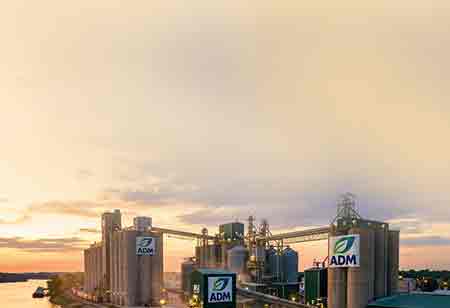
Agri Business Review recognized Archer-Daniels-Midland Company (ADM) as a Top Agricultural Supply Chain Solutions 2026 provider. Its role spans agricultural sourcing, transportation and processing, connecting growers with customers across global markets. The company operates a network that includes procurement sites, processing facilities and multiple transportation modes, supporting the movement of agricultural products across regions.
Q3
Why Is Demand For Agricultural Supply Chain Solutions Increasing?
Demand for Top Agricultural Supply Chain Solutions 2026 is being driven by the difficulty of managing agricultural flows amid variable weather, production cycles, market demand and global trade conditions. Agricultural businesses need greater visibility into supply conditions and more flexible ways to move products between production regions and end markets. Coordinated logistics, sourcing and processing can reduce friction between these stages while helping organizations respond to changing availability and customer requirements.
Q4
What Should Organizations Evaluate When Choosing Agricultural Supply Chain Solutions?
When evaluating Top Agricultural Supply Chain Solutions 2026, organizations should examine how effectively a provider connects sourcing, logistics, storage and processing. Geographic reach, transportation capabilities, market intelligence, supply visibility and the ability to adjust to changing demand are important considerations. Cost also matters, but it should be assessed alongside reliability, operational flexibility, product quality and the potential consequences of disruptions across the agricultural value chain.
Q5
How Are Technology And Expertise Changing Agricultural Supply Chains?
Top Agricultural Supply Chain Solutions 2026 increasingly depend on the combination of operational infrastructure and agricultural expertise. Market intelligence can support decisions around sourcing, transportation and demand conditions, while technical capabilities can help transform agricultural commodities for specific applications. The category is also evolving around responsible sourcing and regenerative agriculture, linking farm-level practices with customer expectations and broader environmental priorities.
Q6
Why Was ADM Recognized As a Top Agricultural Supply Chain Solutions Provider in 2026?
ADM's recognition by Agri Business Review reflects several documented capabilities. Its network connects agricultural sourcing with transportation and processing, while its infrastructure includes 335 procurement sites and supports the movement of approximately 140 million metric tons of agricultural products globally. ADM also combines commodity-market insight with supply-chain execution and supports agricultural products across food, animal nutrition, renewable energy and industrial applications.
