Agricultural supply chains operate across a complex network of farms, processing facilities, transportation routes and markets. The movement of crops from producers to end users requires coordination across multiple stages, from sourcing raw materials to delivering finished products.
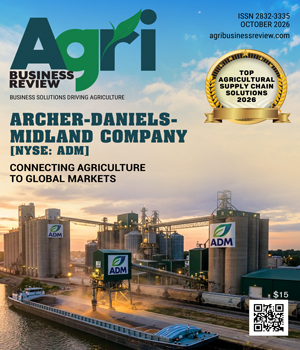
Archer-Daniels-Midland Company [NYSE: ADM] connects growers with markets while transforming agricultural commodities into food, feed, fuel and industrial products. Its integrated supply chain combines sourcing, logistics and processing capabilities, linking agricultural regions with customers across global markets.
A Network Designed for Agricultural Movement
ADM’s supply chain begins with relationships built at the farm level. The company works with producers across major agricultural regions to source crops and connect agricultural production with global demand. Rather than operating at a single stage of the value chain, ADM participates across sourcing, transportation and processing, allowing agricultural materials to move through a coordinated network from origin to end use.
The company’s infrastructure supports this movement through procurement locations, processing facilities and transportation assets. ADM operates elevators and uses trucks, railcars, barges and ocean vessels to move agricultural products across regions. Its network includes 335 procurement sites and supports the movement of approximately 140 million metric tons of agricultural products globally, giving ADM a significant role in connecting agricultural supply with customer requirements.
Managing agricultural supply chains requires more than physical movement. Weather conditions, production cycles, market demand and global trade patterns can influence availability and timing. ADM combines its operational capabilities with agricultural market knowledge to make sourcing and distribution decisions across changing conditions. This helps the company adjust supply flows and maintain connections between production regions and customers.
The company’s processing capabilities add another layer of value within the supply chain. Agricultural commodities such as oilseeds, corn and wheat can be transformed into ingredients, feed products and other materials suited for specific applications. ADM’s facilities support these transformations by converting agricultural resources into products that serve different industries and customer needs.
The link between sourcing and processing gives ADM a role beyond moving commodities. Agricultural materials can follow different production paths based on market needs, serving food manufacturing, animal nutrition, renewable energy and industrial applications. Its involvement at these stages gives ADM insight into supply conditions and customer requirements.
Combining Market Insight with Agricultural Expertise
ADM’s supply chain strategy is built around managing uncertainty within global agriculture. Agricultural markets change constantly due to weather patterns, consumer demand, economic conditions and shifting trade environments. The company uses its experience across agricultural markets to understand these changes and align supply chain decisions with customer requirements.
Market intelligence plays an important role in this process. ADM provides insights into commodity markets, supply trends and demand conditions that support planning decisions for customers and internal operations. These insights complement its physical infrastructure by helping the company evaluate agricultural conditions before products move through the supply chain.
The company’s differentiation comes from combining market knowledge with execution capabilities. Many supply chain challenges require decisions that connect information with action, whether determining sourcing strategies, managing transportation requirements or selecting appropriate processing pathways. ADM’s integrated model allows these activities to work together rather than function as separate processes.
Sustainability has also become an important consideration within agricultural supply chains. ADM works with growers, customers and partners on initiatives focused on regenerative agriculture and responsible sourcing practices. These programs connect improvements at the farm level with customer expectations, helping create supply networks that consider both agricultural productivity and environmental priorities.
The company also applies research and technical knowledge to areas such as nutrition, ingredients and bio-based products. These capabilities help ADM adapt agricultural resources for specific uses and meet specialized customer needs.
ADM’s approach reflects a broader view of agriculture as a connected ecosystem. Supply chains involve more than transportation and storage, also relying on information, processing expertise and the ability to respond to market needs. ADM brings these elements together for customers operating in complex agricultural markets.
Creating Value Across Global Markets
ADM’s supply chain capabilities support industries that depend on consistent access to agricultural products and ingredients. Food and beverage manufacturers use ADM’s ingredients and processing expertise, while customers in animal nutrition, renewable energy and industrial markets rely on products created through its agricultural operations.
The company’s global network enables agricultural commodities to move from production areas into specialized applications. Through sourcing relationships and processing capabilities, ADM helps transform crops into ingredients and materials used in products consumed and utilized worldwide. This connection between agriculture and industry allows customers to access solutions aligned with their specific operational needs.
ADM’s role across multiple stages of the agricultural value chain also provides flexibility. Agricultural products can be directed toward different applications depending on market conditions, customer demand and processing requirements. This ability to manage diverse pathways helps ADM support industries where supply consistency and product performance are critical factors.
The model connects producers with customers at different points in the agricultural supply chain. Growers can reach global markets through ADM’s sourcing network, while customers work with a company involved in agricultural production, transportation and processing. Its operations link farming communities with industries that rely on agricultural products.
Agricultural supply chains continue to evolve as businesses respond to changing consumer expectations, sustainability priorities and global market conditions. ADM’s ability to coordinate sourcing, transportation, processing and market expertise provides a framework for managing these changes while supporting customers across different industries.
Through its integrated agricultural network, ADM demonstrates how supply chain solutions can create value by connecting the people, infrastructure and expertise involved in moving agricultural products around the world. The company’s recognition as Top Agricultural Supply Chain Solutions 2026 reflects its ability to combine operational scale, market knowledge and supply chain execution to support a more connected agricultural ecosystem.


![Archer-Daniels-Midland Company [NYSE: ADM]](/company_logos/Untitled-6-iefq.jpg "Archer-Daniels-Midland Company [NYSE: ADM]")
