Top Biological Soil Restoration and Regenerative Training Services 2026

Biological soil restoration and regenerative training services help agricultural producers improve soil health through sustainable land management practices. With a focus on microbial activity, soil fertility, regenerative techniques and farmer education, they support healthier agricultural ecosystems and long-term productivity.

Bio Minerals Technologies, Inc. (BMT): Bringing Life Back to the Soil
Bio Minerals Technologies, Inc. (BMT)
Bringing Life Back to the Soil
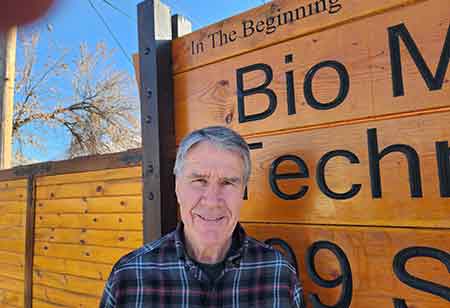
Ken Hamilton, Owner
For decades, agriculture has focused heavily on inputs designed to increase production. But according to Bio Minerals Technologies, Inc. (BMT), the conversation around soil health must begin much deeper—with understanding how nature itself designed the relationship between minerals, microorganisms, and plants.

Integrating Biological Restoration with Regenerative Land Management

Soil health is an increasingly important asset within the business world for agricultural, landscaping, land management, and environmental restoration purposes. Soil degradation may decrease productivity, increase the need for inputs, affect water management, and decrease the value of the land. The biological soil restoration and regenerative training service is aimed at solving these problems through combining actual restoration techniques and teaching soil biology.

How to Judge Biological Soil Restoration Programs

Soil restoration services are difficult to judge because field symptoms rarely point to a single cause. Plateauing yields can coincide with rising fertilizer use and disease pressure, while compacted soils can further restrict root activity. An input added to one deficiency may leave the wider soil system unchanged. For executives comparing providers, the stronger proposition is not a larger treatment menu. It is a disciplined way to establish what is limiting nutrient availability and then show whether biological function is actually changing.

Beef Sustainability Starts from the Ground Up: The Role of Soil Health
Cargill
Beef Sustainability Starts from the Ground Up: The Role of Soil Health
Carlos Marcelo Saviani, Beef Sustainability Director

Carlos M. Saviani is Cargill’s Beef Sustainability Director, leading initiatives that reduce environmental impact, advance social responsibility, and drive value across the beef supply chain. With over 30 years of global experience, he combines expertise in animal science with strategic business leadership gained from roles at dsm-firmenich, Pfizer/Zoetis, Merial, ABS and the World Wildlife Fund. His experience also includes hands-on management of a 2,000-head beef ranch, giving him a unique perspective from field to boardroom. Carlos is recognized for building high-performing teams and forging impactful partnerships to address GHG emissions, renewable energy, water stewardship, soil health, and habitat conservation. He holds a degree in Animal Science from the University of São Paulo and an MBA from the Business School of São Paulo and the Rotman School of Management at the University of Toronto.

Biological Soil Restoration and Regenerative Training Services Info

Q1
What Do Biological Soil Restoration and Regenerative Training Services Include?
Biological soil restoration and regenerative training services help farms improve soil health by focusing on mineral balance, microbial activity, and natural nutrient cycles. Top Biological Soil Restoration and Regenerative Training Services may include soil testing, adding biological amendments, managing soil microbes, and teaching practical regenerative farming techniques. These methods support better root growth, nutrient access, and crop results. Training also helps farmers see how soil chemistry and biology work together, so they can make better choices about inputs and field care. The exact services offered depend on the provider, local soil, and farm goals.
Q2
Why Is Demand for Biological Soil Restoration and Regenerative Training Services Increasing?
More farmers are turning to Top Biological Soil Restoration and Regenerative Training Services because they face lower soil fertility, unpredictable weather, higher costs, and the need to keep their land productive. Standard fertilizers may fix short-term issues but often miss deeper problems with soil structure or microbes. Biological restoration takes a different approach by improving the processes that affect nutrient supply and soil strength. Regenerative training helps farmers use methods that fit their crops, climate, and land. The push for these services also comes from the need to farm productively while managing resources responsibly.
Q3
Which Organization Received Recognition for Biological Soil Restoration and Regenerative Training Services in 2026?
Agri Business Review named Bio Minerals Technologies, Inc. as its Top Biological Soil Restoration and Regenerative Training Service for 2026. This award highlights the company's focus on improving soil through biology and educating farmers. Bio Minerals Technologies, Inc. works in soil restoration, aiming to rebuild natural soil systems and help farmers understand how nutrients move in the soil. This recognition shows how biological restoration and regenerative training are part of the bigger picture of better farming practices and smarter soil management.
Q4
What Should Farmers Evaluate When Choosing Soil Restoration and Regenerative Training Services?
When choosing Top Biological Soil Restoration and Regenerative Training Services, farmers should look at how good the soil testing is, whether the suggested treatments fit their needs, and if the training matches their real-world conditions. Different soil problems need different solutions, so advice should be based on actual field tests, not a one-size-fits-all plan. Farmers should also think about cost, how treatments are applied, if they work with current practices, and how progress will be tracked. Clear information about results and helpful follow-up support can show if a program is really fixing soil issues.
Q5
How Do Innovation and Training Improve Biological Soil Restoration?
Top Biological Soil Restoration and Regenerative Training Services now often mix soil testing, biological management, and hands-on training. Checking soil minerals can show where nutrients are lacking, and testing for microbes helps reveal the biological side of soil health. These tests work best when used together and turned into practical steps for the field. Training helps farmers know why certain actions are suggested and how to care for their soil between checkups. Regular monitoring, advice that fits local needs, and clear ways to measure progress help farmers see results, knowing that not every field will react the same way.
Q6
Why Was Bio Minerals Technologies, Inc. Recognized for Its Soil Restoration and Training Approach?
Bio Minerals Technologies, Inc. earned recognition for linking soil testing, biological restoration, and farmer education. The company does mineral analysis and tests soil microbes to find what needs fixing, uses natural products to rebuild soil life, and teaches about how minerals, microbes, and nutrients work together. Ongoing education helps farmers manage these things themselves instead of always needing outside advice. All these steps explain why the company was recognized in the field of biological soil restoration and regenerative training.