Agri Biotech Solutions

Agri biotech companies are reshaping modern agriculture by applying science-led innovation to improve crop resilience, productivity and sustainability. Through advanced research, field-focused solutions and practical technologies, they help growers and agribusinesses respond to changing climate conditions, resource pressures and market demands across the evolving agricultural biotechnology landscape.

Bio Minerals Technologies, Inc. (BMT): Bringing Life Back to the Soil
Bio Minerals Technologies, Inc. (BMT)
Bio Minerals Technologies, Inc. (BMT): Bringing Life Back to the Soil
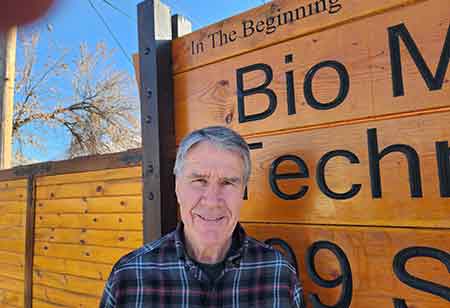
Ken Hamilton, Owner
For decades, agriculture has focused heavily on inputs designed to increase production. But according to Bio Minerals Technologies, Inc. (BMT), the conversation around soil health must begin much deeper—with understanding how nature itself designed the relationship between minerals, microorganisms, and plants.

BMT works with growers who are looking beyond conventional approaches and seeking ways to rebuild soil function. The company’s philosophy centers on restoring the biological and mineral balance of soil while helping farmers understand the processes that drive healthy plant growth.

Looking Beyond the NPK Model

Ken Hamilton, Owner of Bio Minerals Technologies, believes one of the biggest challenges in modern agriculture is the limited focus on nitrogen, phosphorus, and potassium. While these nutrients play a role in plant development, BMT emphasizes that they represent only a small portion of what plants require.

The company’s approach looks at the larger biological system beneath the surface. Soil microorganisms, including bacteria, fungi, protozoa, and nematodes, help convert minerals and atmospheric elements into forms plants can use. Without these organisms performing their natural functions, plants lose access to much of the nutrition available within the soil.

“Regenerative agriculture needs to focus on the biological sector because it has the ability to influence the greatest part of the plant, and it is the foundation upon which all other nutrients occur,” says Hamilton.

Understanding Why Soil Stops Performing

Many farmers turn to BMT after noticing that their existing programs are no longer delivering the results they once expected. They may see yields reaching a plateau, increasing fertilizer expenses, rising crop protection costs, and declining plant quality.

Rather than addressing these challenges with additional inputs, BMT begins by identifying what is happening within the soil ecosystem. The company evaluates both mineral composition and biological activity to understand where imbalances exist.
AgroFresh: Extending Freshness beyond the Farm Gate
AgroFresh
AgroFresh: Extending Freshness beyond the Farm Gate
Han Kieftenbeld, CEO
Agricultural biotechnology is facing growing pressure to do more than improve farm productivity. As the sector looks for more sustainable ways to reduce waste and extend shelf life, AgroFresh has built its work around the science of freshness, staying fresh for longer periods after harvest.

Pressure around food waste has intensified as agricultural supply chains become global and climate conditions become more unpredictable. Growers and distributors must move highly perishable produce through longer transit routes, preserving freshness, appearance and shelf life under tighter logistical constraints. Retailers and consumers are demanding lower waste, stronger quality consistency and responsible handling practices.
AgroFresh develops technologies that help fruits and vegetables hold their condition after harvest through freshness management, plant-based preservation and digital monitoring systems. Its approach supports supply chains where maintaining produce condition after harvest has become as important as production itself.

Turning Post-Harvest Challenges into a Scientific Discipline

Agricultural innovation has long concentrated on improving yield, irrigation efficiency and crop protection inside the farm gate. AgroFresh built its foundation around addressing this overlooked stage of the agricultural system. The company is widely recognized for its SmartFresh™ technology, which uses 1-MCP science to manage ethylene, the natural plant hormone responsible for fruit ripening. By slowing this process, growers and distributors gain more time to move produce through complex supply chains without rapid deterioration.

A broader portfolio of post-harvest solutions emerged from that foundation, spanning freshness management, storage optimization, digital monitoring and coating technologies. AgroFresh now works across multiple produce categories, including apples, avocados, citrus, grapes, pears and bananas, supporting stakeholders facing pressure to reduce waste and maintain consistency in quality and shelf life.

Expanding Biotechnology beyond Traditional Crop Protection

As sustainability expectations evolve across agriculture, AgroFresh has broadened its approach to biotechnology beyond conventional crop protection. It has invested in biological and plant-derived solutions designed to maintain produce quality while aligning with changing market preferences.

Integrating Biological Restoration with Regenerative Land Management

Soil health is an increasingly important asset within the business world for agricultural, landscaping, land management, and environmental restoration purposes. Soil degradation may decrease productivity, increase the need for inputs, affect water management, and decrease the value of the land. The biological soil restoration and regenerative training service is aimed at solving these problems through combining actual restoration techniques and teaching soil biology.

In contrast to an emphasis on productivity alone, these programs promote the establishment of healthy soil systems capable of sustained productive use by organizations. Ecological responsibility meets efficiency, and soil restoration becomes pertinent to organizations that seek responsible land management practices.

Building Soil Health through Biological Restoration

The goal of biologically restoring soil is to enhance the living factors affecting soil structure, nutrients, water holding capacity, and plant growth. There are certain organisms, organic materials, plant roots, and biological factors found in healthy soils that work together constantly. The effectiveness of these factors gets diminished because of issues such as erosion, compaction, and improper nutrient management. Biological soil restoration services can assess these problems and offer proper management for them.

Service providers could assess soil structure, organic matter, biological activity, moisture, nutrient content, compaction, and vegetation. The gathered information could assist land managers in knowing the constraints for production and setting restoration priorities. Based on different site conditions, various programs could include compost-based soil amendment, cover crop, no-till agriculture, diversity of plants, organic matter management, biological support, and better water management.

Restoration should be considered as a process-oriented activity rather than an individual act. The soil is a dynamic environment influenced by ongoing activities and varying environmental factors; hence, it requires monitoring. Observations and measurements may reveal if the structure of the soil, plant performance, moisture dynamics, and biological processes are improving. These data can help to make necessary changes and assist companies in focusing on productive activities.

Regenerative Training Turns Knowledge into Practice

Training is one of the key ingredients that go into effective regenerative land management due to the need for proper decision-making in restoration processes. Biologic soil restoration and regenerative training services will assist farmers, land managers, landscape practitioners, consultants and field personnel in understanding how soil works and how their daily actions impact the soil.

Effective training may include observation of the soil, biology, composting and organic material management, cover crops, water infiltration, plant selection, erosion control, and monitoring. Instead of offering a recipe that applies to all cases equally, training could enable individuals to evaluate their own situation and choose a method that is suitable for the type of soil, climate, crops, and purposes. The flexible approach allows organizations to implement regenerative farming practices in a versatile manner.

Training will also enhance the organization’s internal capabilities. Once employees realize why certain procedures need to be adopted, implementation will become easier and possible to monitor. Field staff will be able to notice initial signs of soil strain and report their observations to management. Eventually, this will lead to a reduced need for external advice on everyday decisions and to the formation of an organizational culture of caring about soil.

Connecting Soil Restoration with Business Performance

For businesses, regenerative practices become more attractive to incorporate into their business model as environmental results are related to quantifiable business goals. Positive changes in soil structure may facilitate infiltration and retention of water, and improved biological processes will contribute to nutrient cycling and better plant performance. This can help organizations save money on irrigation, inputs, erosion, and land management. Economic gains will differ from one farm to another depending on its management practices.

Restoration techniques may aid in risk management as well. Healthy soils might find themselves better equipped to cope with phases of moisture stress or heavy rainfall. Even though biological restoration does not mean that all risks will be reduced, improvement in the soil’s ability may increase its risk management capacity. Companies may integrate indicators of soil health into their sustainability and asset management programs.

Technology is one way to boost this process. Soil sampling, field sensors, mapping software, remote sensing, and digitized data collection methods are ways of collecting data that can help monitor change over time and place. The use of such technologies, together with field knowledge, can allow the organization to base decisions on facts and not assumptions. As regenerative land practices gain popularity, biological soil restoration and regenerative training can create a real platform to improve land performance by building internal capacity.

Companies with assessment, restoration, education, monitoring, and continuous improvement programs will be able to include soil health in their general strategy. Such an approach will help companies utilize resources in a smarter way and make better decisions related to land management and productivity. Seeing the soil as a business asset, companies can combine environmental considerations with business efficiency and value creation.

The Growing Role of Agricultural Biotechnology Companies in Shaping the Future of Agribusiness

Agricultural biotechnology companies are becoming strategic infrastructure for modern agriculture, not simply suppliers of improved seed or laboratory innovation. In business terms, agricultural biotechnology applies genetic science, molecular breeding, biological inputs, microbial systems, diagnostics, and data-enabled R&D to improve crop performance, soil health, pest resistance, nutritional quality, and climate resilience. For agribusiness leaders in the US, the category now sits at the intersection of productivity, sustainability, risk management, and supply-chain continuity.

The market context is clear. The global agricultural biotechnology market was valued at about $151.23 billion in 2024 and is projected to reach $212.57 billion by 2030, growing at a 7.1 percent CAGR, according to Grand View Research. Technavio separately forecasts the agricultural biotechnology market to expand by $28.63 billion from 2024 to 2028 at a 9.6 percent CAGR, driven by demand for higher crop yields and advanced biological applications.

In the US, biotechnology is already embedded in row-crop economics. USDA Economic Research Service data shows genetically engineered crops remain dominant across corn, soybeans, and cotton, with stacked-trait adoption continuing to rise. In 2025, approximately 84 percent of corn acres and 87 percent of cotton acres were planted with stacked varieties. This matters because the buyer conversation has moved beyond whether biotechnology works. The more relevant question is which agricultural biotechnology companies can deliver resilience, regulatory confidence, measurable field performance, and integration with the commercial realities of modern farming.

The category matters now because producers are being asked to increase output while managing water stress, soil degradation, pest resistance, volatile input costs, extreme weather, and retailer or consumer expectations around sustainability. USDA notes that agricultural biotechnology can support productivity and climate-smart use of natural resources, framing the technology as part of both adaptation and mitigation in agriculture.

One defining trend is the maturation of gene editing. CRISPR and related precision-breeding tools are changing the economics and timelines of trait development by enabling targeted edits for drought tolerance, disease resistance, nutritional improvement, and quality attributes. Verified Market Research estimates the CRISPR in agriculture market at $2.1 billion in 2024, with a projected rise to $8.3 billion by 2032. While market estimates vary by methodology, the direction is consistent: gene editing in agriculture is becoming a core R&D capability rather than an experimental niche.

A second shift is the rise of biologicals as a complement to conventional crop protection and fertility programs. Agricultural biologicals—including biopesticides, biofertilizers, biostimulants, inoculants, and microbial seed treatments—are gaining attention as growers look for tools that improve soil function, reduce chemical dependency, and support residue-sensitive markets. Industry Experts estimates the global agricultural biologicals market at $14.2 billion in 2024 and projects it to exceed $29 billion by 2030, reflecting a 12.7 percent CAGR.

A third trend is the broadening of ag biotech companies from input innovation to decision-grade systems. Mature providers increasingly combine genomics, field trial networks, phenotyping, agronomic modeling, regulatory strategy, and grower support. For enterprise buyers, this matters because biotechnology rarely succeeds as a standalone product. It must fit into seed portfolios, crop plans, sustainability programs, procurement systems, dealer networks, and risk-management frameworks.

The operational use cases are expanding. Crop producers and agribusinesses are evaluating agricultural biotechnology for higher yield stability, resistance to insects and diseases, herbicide tolerance, nitrogen-use efficiency, drought resilience, improved shelf life, traceability, and reduced crop loss. Food processors are watching traits that may improve consistency, nutrition, allergen profiles, or processing characteristics. Retail-linked supply chains are increasingly interested in technologies that can support lower-input production, verified sustainability claims, and more predictable sourcing.

Yet the category’s challenges remain substantial. Field performance can vary across geographies, soil types, weather patterns, and management practices. Biological products, in particular, require careful validation because efficacy depends on local agronomy, storage conditions, application timing, and microbial viability. Gene-edited and genetically engineered crops also face regulatory complexity, export-market considerations, consumer perception issues, and stewardship requirements.

Regulatory clarity is especially important in the US. The federal Coordinated Framework for biotechnology regulation assigns oversight responsibilities across USDA, FDA, and EPA, and the agencies have been working to address gaps, ambiguities, and emerging product categories. USDA’s revised biotechnology regulations have also exempted some modified plants when they could otherwise have been developed through conventional breeding and are unlikely to pose increased plant-pest risk. For buyers, the practical issue is not only approval but confidence that a provider understands the full compliance path from discovery to commercialization.

This is where the difference between mature agricultural biotechnology companies and basic vendors becomes visible. Basic vendors often lead with a trait, organism, formulation, or performance claim. Mature providers lead with reproducible science, transparent trial design, regulatory discipline, agronomic fit, supply-chain readiness, and post-sale technical support. They can explain where a product works, where it does not, what data supports the claim, how it interacts with existing practices, and what operational changes are required for adoption.

Enterprise buyers should also examine intellectual property depth, trial geography, formulation stability, manufacturing scalability, data transparency, and channel partnerships. In a market where field-level credibility matters, the strongest companies are not necessarily those with the broadest claims, but those with the clearest evidence architecture. Their advantage is the ability to translate laboratory discovery into farm-level economics.

The near-future outlook for agricultural biotechnology companies is constructive but more disciplined than the hype cycle suggests. The category is moving toward integrated resilience: seeds with stronger trait stacks, biologicals that complement chemistry, gene-edited crops with quality and climate traits, and digital tools that help match products to conditions. Adoption will be strongest where biotechnology solves measurable business problems such as yield volatility, input efficiency, regulatory pressure, disease outbreaks, and supply-chain reliability.

For senior agribusiness decision-makers, the state of the industry is best understood as a shift from biotechnology as an input category to biotechnology as an operating capability. The next generation of agricultural biotechnology companies will be judged not only by scientific novelty, but by how effectively they reduce risk, improve resilience, and create durable value across the agricultural system.

Beef Sustainability Starts from the Ground Up: The Role of Soil Health
Cargill
Beef Sustainability Starts from the Ground Up: The Role of Soil Health
Carlos Marcelo Saviani, Beef Sustainability Director

Carlos M. Saviani is Cargill’s Beef Sustainability Director, leading initiatives that reduce environmental impact, advance social responsibility, and drive value across the beef supply chain. With over 30 years of global experience, he combines expertise in animal science with strategic business leadership gained from roles at dsm-firmenich, Pfizer/Zoetis, Merial, ABS and the World Wildlife Fund. His experience also includes hands-on management of a 2,000-head beef ranch, giving him a unique perspective from field to boardroom. Carlos is recognized for building high-performing teams and forging impactful partnerships to address GHG emissions, renewable energy, water stewardship, soil health, and habitat conservation. He holds a degree in Animal Science from the University of São Paulo and an MBA from the Business School of São Paulo and the Rotman School of Management at the University of Toronto.

Sustainability in Beef Production Through Soil Health

As the global demand for beef continues to rise, so does the urgency to produce it in a way that supports both producers and environmental resilience. At the heart of this challenge lies a powerful yet often overlooked ally: the soil beneath our feet. Healthy soils are not only the foundation of productive agriculture but also a critical tool in the fight against climate change. As an example of this, Cargill’s BeefUp Sustainability program is leading the charge in transforming the beef supply chain by focusing on soil health, maintaining and enhancing its carbon.

Soil is more than just dirt—it is a living ecosystem teeming with microorganisms, organic matter, and nutrients. When managed properly, soil can act as a carbon sink, absorbing and storing atmospheric carbon dioxide (CO₂) through a process known as carbon sequestration. This is particularly important in beef production, where grazing lands cover vast areas and have the potential to store significant amounts of carbon.

However, conventional agricultural practices such as overgrazing, tillage, and monoculture can degrade soil structure, reduce organic matter, and release stored carbon back into the atmosphere. This not only contributes to greenhouse gas (GHG) emissions but also diminishes the land’s productivity and resilience to climate extremes. For instance, it reduces the capacity of the soil to retain water.

Scaling Regenerative Agriculture to Strengthen the Beef Supply Chain

Led by Carlos, the Cargill beef sustainability program aims to reduce GHG emissions in the North American beef supply chain by 30% by 2030. Central to this goal is the adoption of regenerative agriculture practices that improve beef productivity, soil health, enhance biodiversity, and increase carbon storage. A win-win for ranchers, nature, and people.

We are working closely with farmers, ranchers, NGOs, and technology partners to implement practices such as:

[QUOTE1_Replace]

• Rotational and adaptive grazing: Moving cattle strategically across pastures to prevent overgrazing and allow vegetation to recover, which improves root systems and soil structure.

• Cover cropping and reduced tillage: These practices protect the soil surface, reduce erosion, and increase organic matter.

• Integrated crop-livestock systems: Combining livestock and crop production to create nutrient cycles that enrich the soil naturally.

These methods not only reduce emissions but also make ranches more resilient to drought, floods, and other climate-related challenges. By increasing their productivity, the ranchers can also become more economically resilient, and that reduces the risk of them loosing their land to an activity that would convert the grasslands and pastures into something else, releasing all that carbon into the atmosphere and destroying the great biodiversity that relies on that ecosystem.

It is easy to say, but to implement all of that requires a huge team effort and can only be achieved through collaboration. Through BeefUp, for instance, Cargill has forged over years partnerships with organizations like The Nature Conservancy, WWF, National Fish and Wildlife Foundation, Ducks Unlimited, Alus, major food brands and obviously the ranchers. Collaborations like these are helping to scale regenerative practices across millions of acres of grazing land.  

Collaborative Roles in Program Success

Cargill has forged over the years partnerships with organizations like The Nature Conservancy, WWF, National Fish and Wildlife Foundation, Ducks Unlimited, Alus, major food brands and, most importantly, the ranchers. Collaborations like these are helping to scale regenerative practices across millions of acres of grazing land. But we have to do more, much more! You need organizations to lead and manage the program on the ground. You need technical assistance providers and input suppliers to help the ranchers implement the best practices and farm management software to intelligently manage data. You need the banks to fund them (giving the ranchers the right time to have a positive ROI). You need organizations specialized in measuring, reporting, and verifying the carbon and other environmental footprints and assets that will travel through the supply chain. You need the processing companies that buy the animals and produce the different beef products and by-products also securing the integrity of the environmental assets to the rest of the supply chain. You need the food service, restaurants, retailers, and CPG companies sending a clear demand signal through higher volumes, better prices, long term contracts, incentives, and support, that is the beef they want to see produced and offered to their consumers. It is the right thing to do.

I strongly believe we can feed humanity in a sustainable way: protecting the planet, being socially responsible, and economically viable. That is why I do what I do.

Technology-Agriculture's Most Powerful Tool
B&W Quality Growers
Technology-Agriculture's Most Powerful Tool
Cesar Rosero, Vice President of Production

Everything has a number. From how crops are grown, to optimal harvest cycles, to packaging and transportation, to emissions, and knowing how to offset them, there is a measurement in all facets of agriculture. That data is essential for adaptation and improvement, and embracing technology can speed up that process.

That’s not to say technology can replace knowing and understanding agricultural fundamentals; it shouldn’t - we need our farmers to interpret the data found and make decisions. B&W Quality Growers has been the world’s largest watercress grower for 150 years – that process has been proven, and it’s important to trust the core process. But recognizing technology for what it is - a tool - can enhance harvest efficiency and sustainable crop production.

Learning and Working Faster

B&W Quality Growers recently introduced a new crop on its farm in Fellsmere, Florida. Ong choy, or water spinach, has a harvest cycle that is completely opposite of its other crop cycles – watercress, red watercress, arugula, and spinach. Through a custom-built data system, best practices for growing, harvesting, packaging, and shipping this new crop were developed in just two years.

The data system was built to determine some key factors, such as:

• Tissue culture to obtain the best clean material
• Potential pests and diseases
• Temperature and relative humidity required by the crop
• Critical levels
• Most effective biological, chemical, and cultural controls

Knowing this data allowed us to incorporate greenhouses to augment production. Being able to control the temperature and humidity of an environment removes one of the most uncontrolled variables in agriculture: weather. Being able to see where they can adapt and make decisions for any variable allows growers to produce the highest quality crop. We can optimally farm yearround with the greenhouse and our Smart Farming, where we follow the seasonal patterns across the eight states we farm in.

"The technology doesn’t simply lie in the equipment to run the water recycling system; it measures the temperature, conductivity, and pH of the water and notifies the team if they are off, allowing us to be proactive."

Having the technology to capture this data in such a brief amount of time has been instrumental for ong choy production to expand from the current 16 acres to 60 acres by the end of the summer.

More Sustainable

From the land to the sky, technology is positively impacting the way we sustainably grow crops. On the ground, the red and green watercress beds utilize water recirculation systems that recycle the water for a net zero water loss on the farm. Besides net-zero water use, the other advantage of recycling is the 100% utilization of the nutrients you input into the systems. The technology doesn’t simply lie in the equipment to run the water recycling system; it measures the temperature, conductivity, and pH of the water, and notifies the team if they are off, allowing us to be proactive.

Using drones on B&W’s farms in Tennessee and Florida has been a huge success for water conservation. Conventional application methods would use 30 gallons of water per acre, whereas intuitive drone technology uses 2 gallons. That has a big impact.

The planet is changing at a faster rate than ever before, bringing a new set of challenges with it. We need to be able to keep up and utilizing technology to strengthen our weaker areas provides us that capability. If you don’t know your data, you’re not improving.

Agri Biotech Solutions Info

Q1
What Do Top Agri Biotech Companies Specialize In?
Top Agri Biotech Companies typically focus on improving agricultural productivity, crop resilience and sustainability through biotechnology. Their work may include seed innovation, crop genetics, biological inputs, precision agriculture tools and microbial technologies designed to support modern farming challenges. Many agri biotech companies also develop solutions that help growers manage climate variability, soil health and pest resistance more effectively. In a Top listing context, the category often highlights organizations that combine scientific advancement with practical agricultural applications that can support farmers, food producers and agribusiness stakeholders across changing market conditions.
Q2
Why Is Demand for Agri Biotech Companies Growing?
Interest in Top Agri Biotech Companies continues to grow as agricultural systems face pressure from population growth, changing weather patterns and resource constraints. Farmers and agricultural enterprises are looking for technologies that can improve crop yields while reducing waste, water use and environmental impact. Agri biotech solutions are also gaining attention because they support more efficient food production and can help strengthen supply chain stability. Advances in biological crop protection, gene editing and data-driven farming practices have increased interest in providers that combine agricultural science with scalable field performance and long-term sustainability goals.
Q3
How Are Leading Agri Biotech Companies Typically Evaluated?
Agri biotech companies are often assessed based on scientific credibility, product effectiveness, regulatory readiness and real-world agricultural value. Editorial Top evaluations may also consider innovation pipelines, research capabilities, sustainability initiatives and the ability to address evolving farming challenges. Many organizations in this category are reviewed for how well their technologies integrate into existing agricultural operations without creating unnecessary complexity for growers. Strong collaboration with research institutions, farming communities and agribusiness partners can also reflect industry influence. In competitive agricultural biotechnology markets, consistency, adaptability and measurable field outcomes are important differentiators.
Q4
What Value Do Agri Biotech Companies Create for Agriculture?
Top Agri Biotech Companies can create value by helping agricultural producers improve efficiency, manage crop risks and strengthen long-term productivity. Biotechnology-driven farming solutions may support healthier crops, improved resistance to pests or disease and better use of natural resources. Agricultural biotechnology providers also contribute to broader food security efforts by supporting more reliable production systems. For agribusinesses, these technologies may improve planning, supply consistency and sustainability reporting. The category continues to attract attention because it connects scientific innovation with practical agricultural outcomes that can benefit producers, processors, distributors and farming communities alike.
Q5
How Is Innovation Shaping the Agri Biotech Industry?
Innovation plays a central role in the development of modern agri biotech solutions. Many organizations are investing in biological crop inputs, advanced breeding methods, automation tools and AI-supported agricultural analysis to improve farming decisions and environmental performance. Research into microbial technologies and precision agriculture platforms is also influencing how crops are monitored and managed throughout the growing cycle. In many cases, leading providers are focusing on technologies that support both productivity and sustainability goals rather than treating them as separate priorities. This balance has become increasingly important as agricultural stakeholders seek practical solutions that can adapt to changing environmental and market conditions.
Q6
What Should Agribusinesses and Farmers Consider When Comparing Top Agri Biotech Companies?
Agribusinesses and farmers evaluating Top Agri Biotech Companies often prioritize scientific expertise, field performance, regulatory compliance and long-term reliability. Decision-makers may also compare how effectively different providers support sustainability goals, crop resilience and operational efficiency. Service quality, research transparency and the ability to adapt solutions to regional farming conditions can influence selection decisions. Many agricultural organizations also assess whether a company’s technology integrates well with existing workflows and production systems. In a competitive agricultural biotechnology market, organizations that combine innovation with practical usability often stand out more than those focused solely on emerging technology trends.